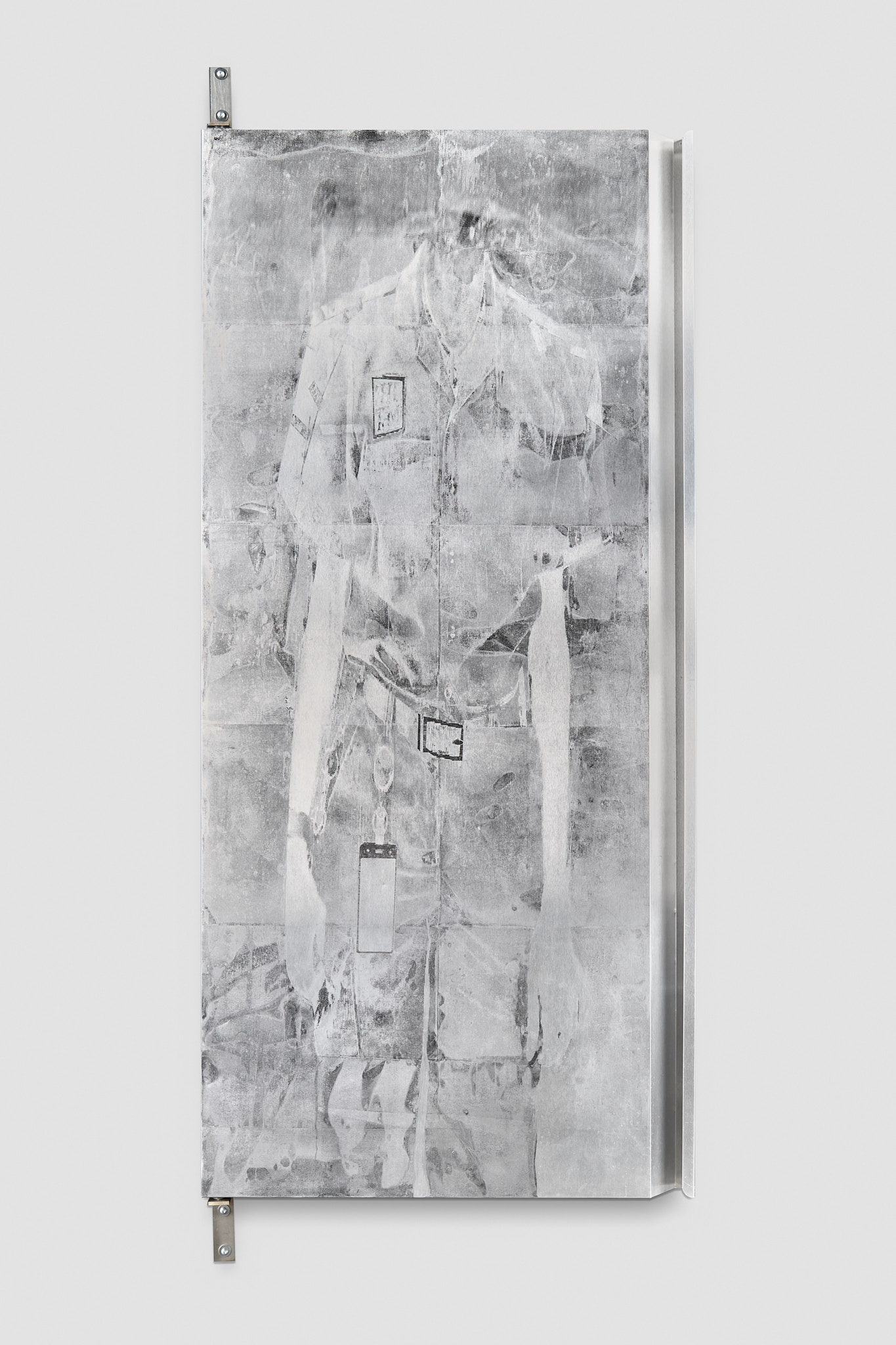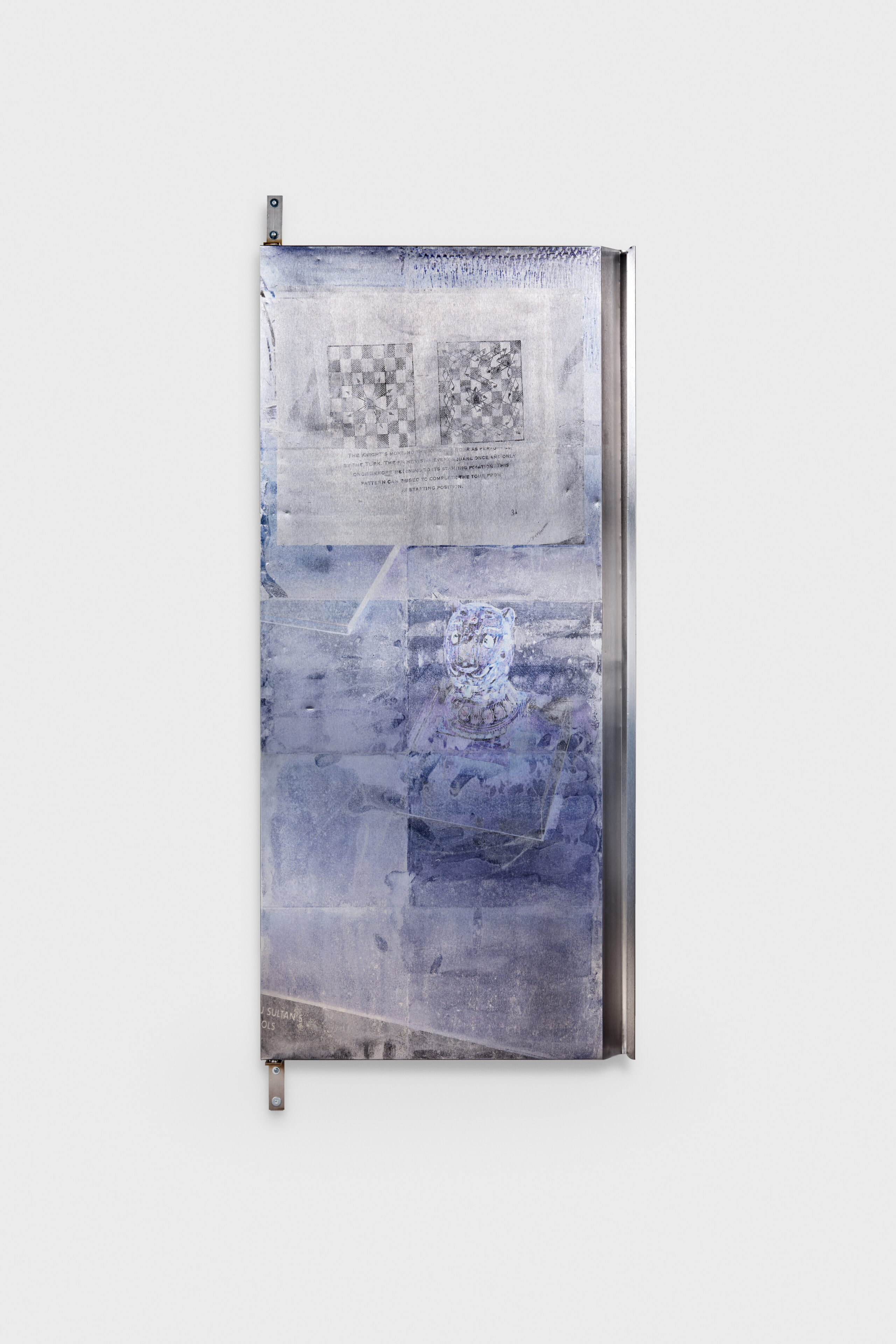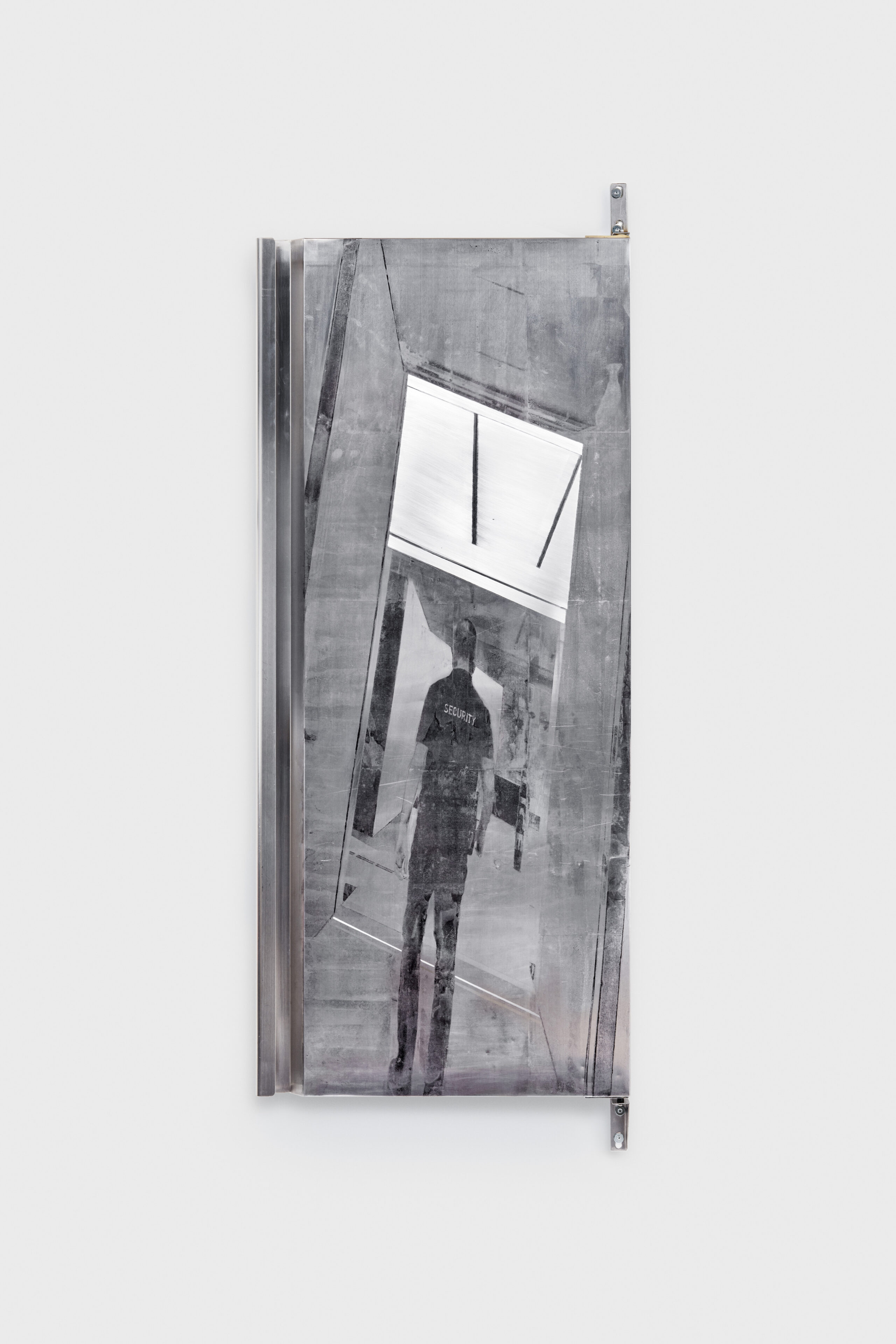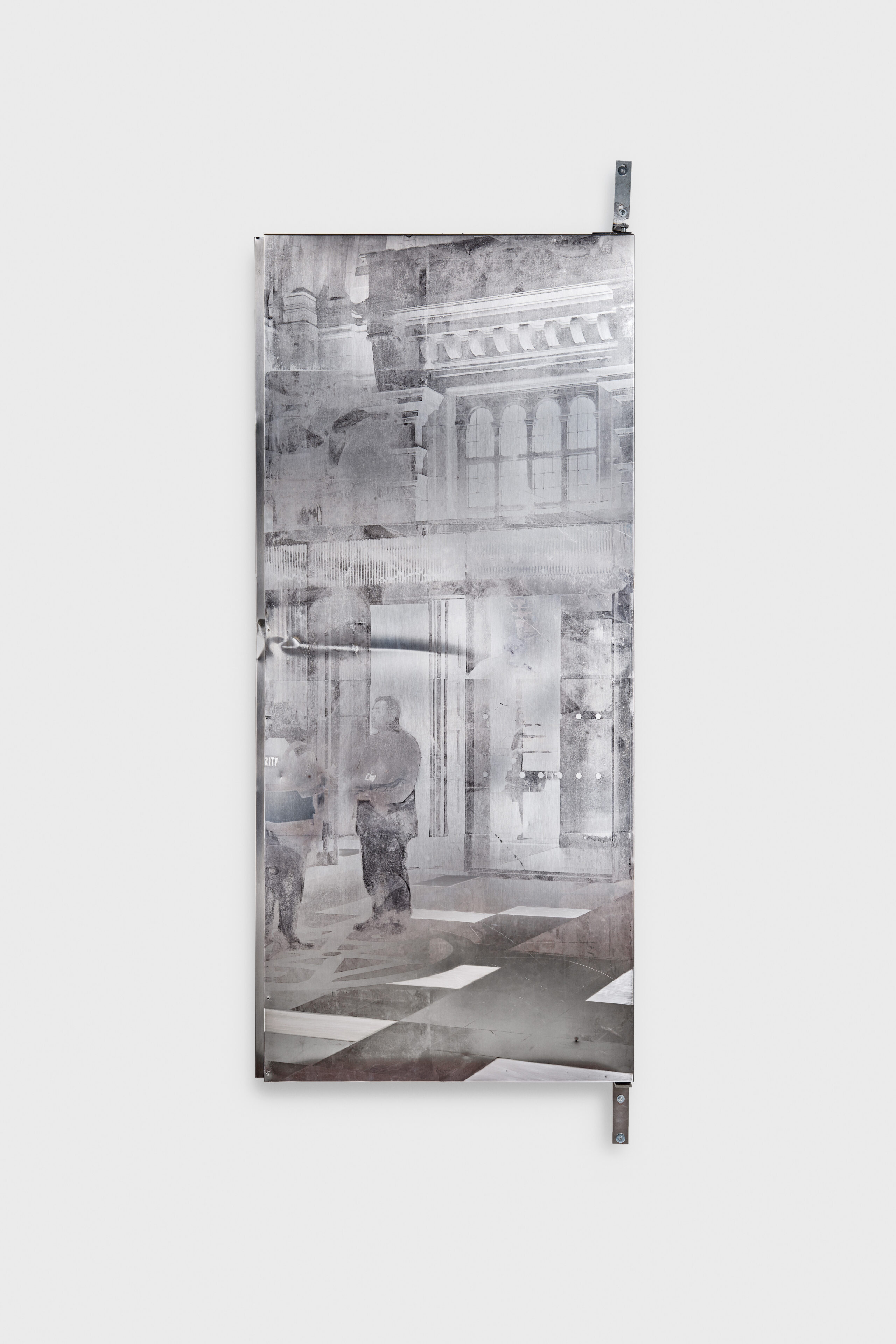
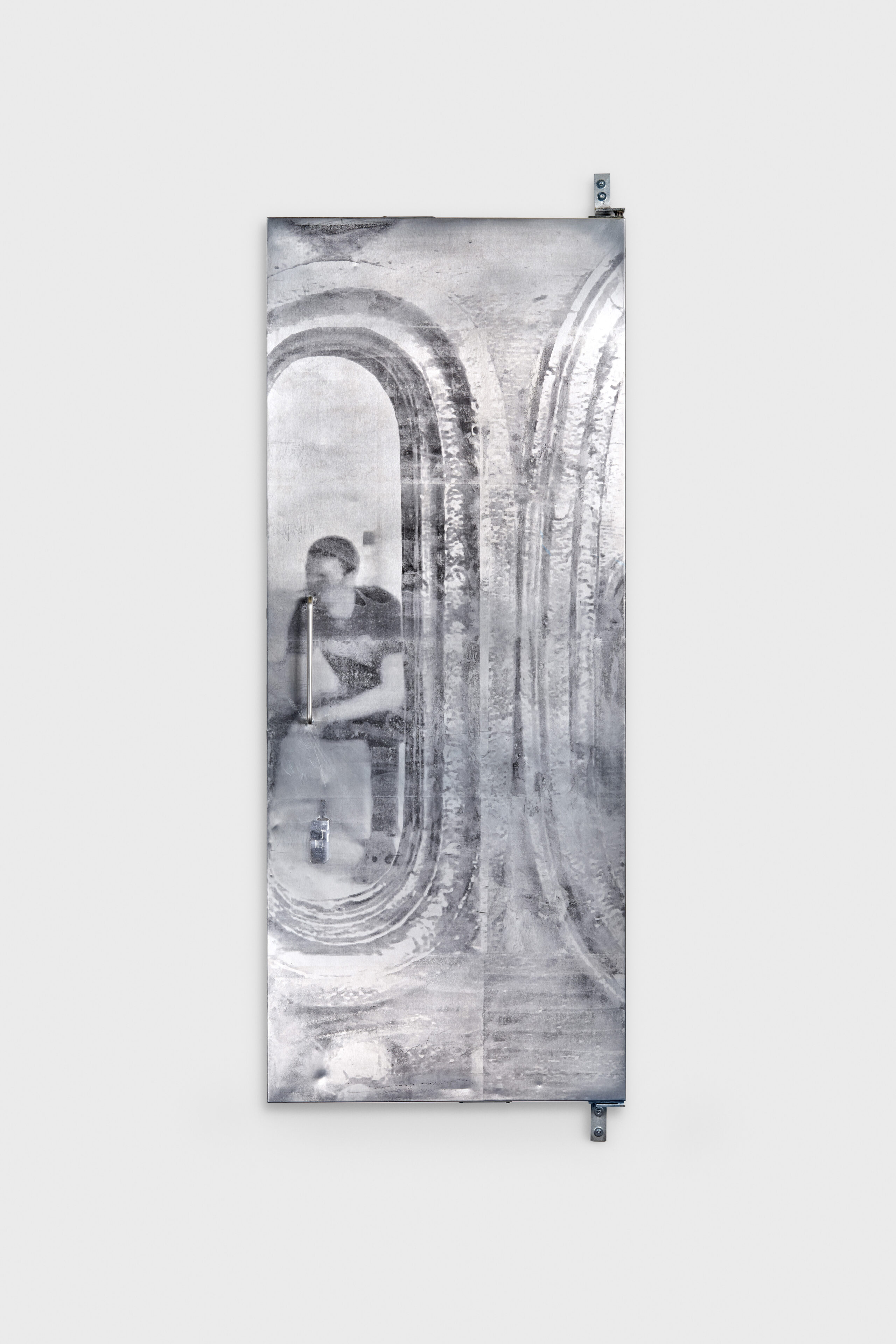
In 2023, Prateek Vijan spent several months at the V&A in London researching the legal framework for a fictional heist of Tipu’s Tiger, a wooden automaton looted by the British during the Fourth Anglo-Mysore War in 1799. Through conversations with museum staff, including curators and security guards, he gathered information for the plan. As he studied the museum’s surveillance infrastructure, his attention was particularly drawn to the vitrine as both object and mechanism, enclosing artworks while serving as a technology of conservation.
In the context of Tipu’s Tiger, an object that stands in for many artifacts looted during colonial rule and retained in museum collections, the notion of conservare (Latin for “preserve,” “guard,” or “retain”) becomes ambiguous. Conservation turns out to be inseparable from acts of withholding and containment. Vijan draws a parallel to industrial cold-storage facilities, spaces that house objects indefinitely, preserving them while removing them from public view.
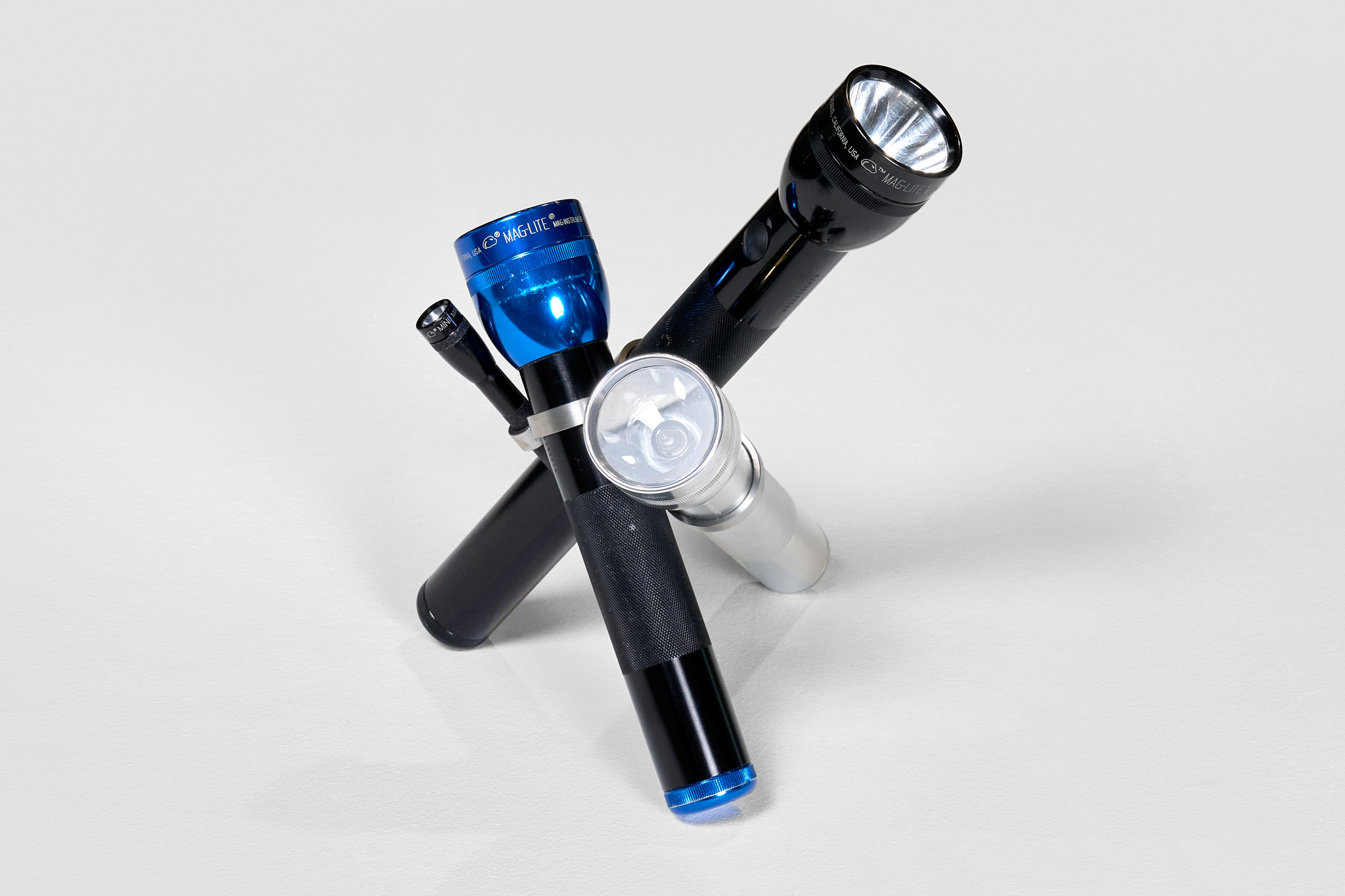
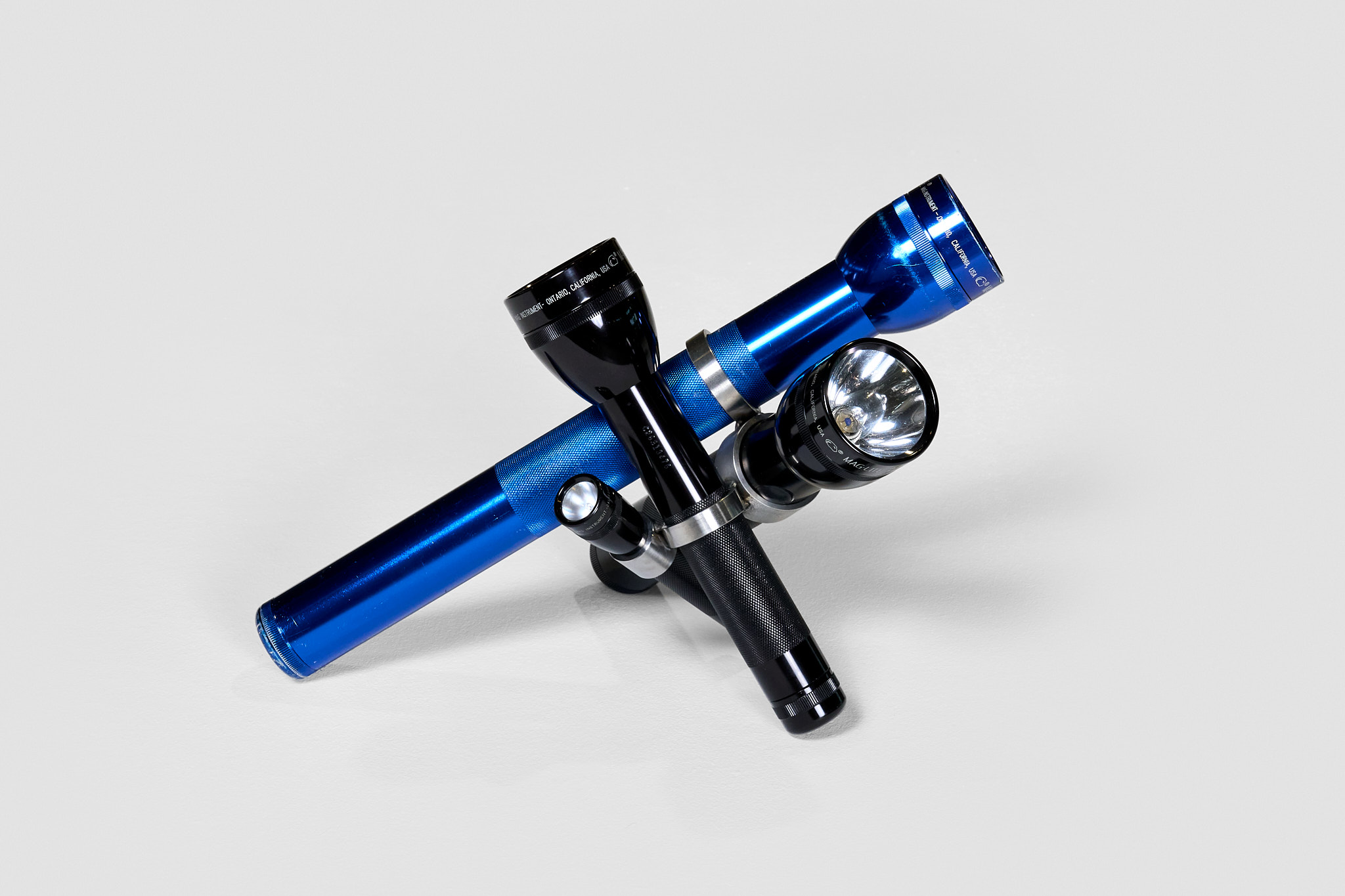
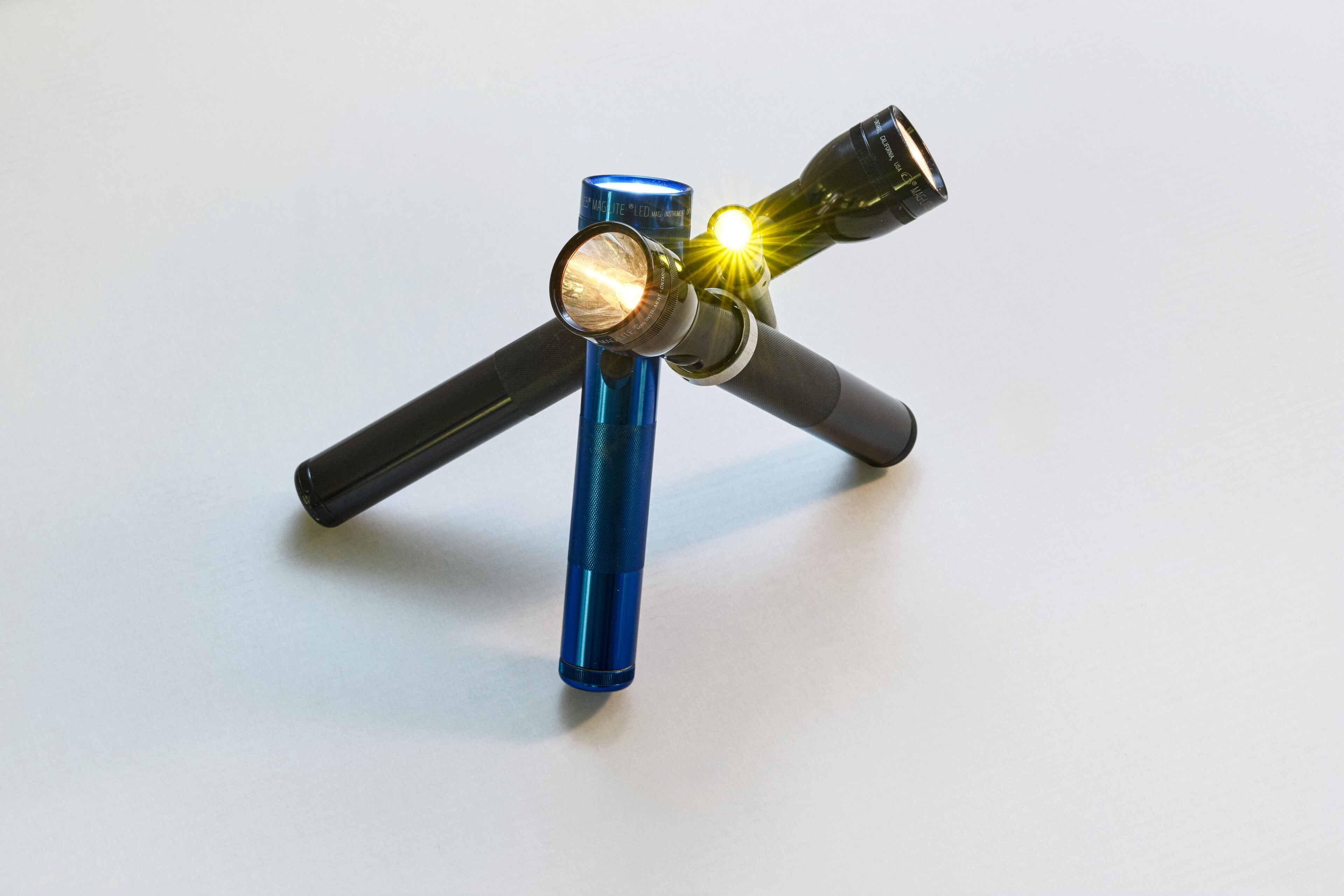
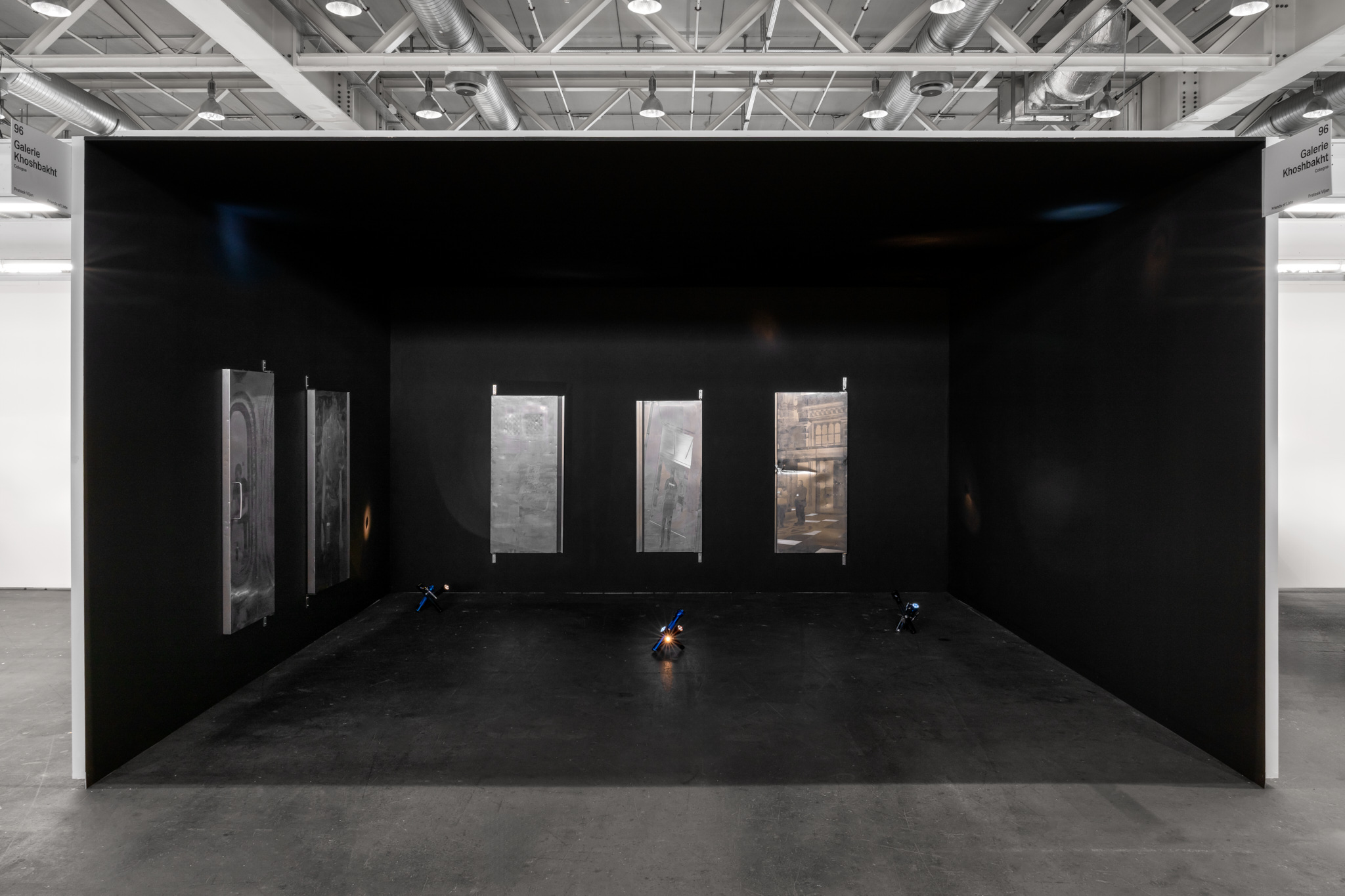
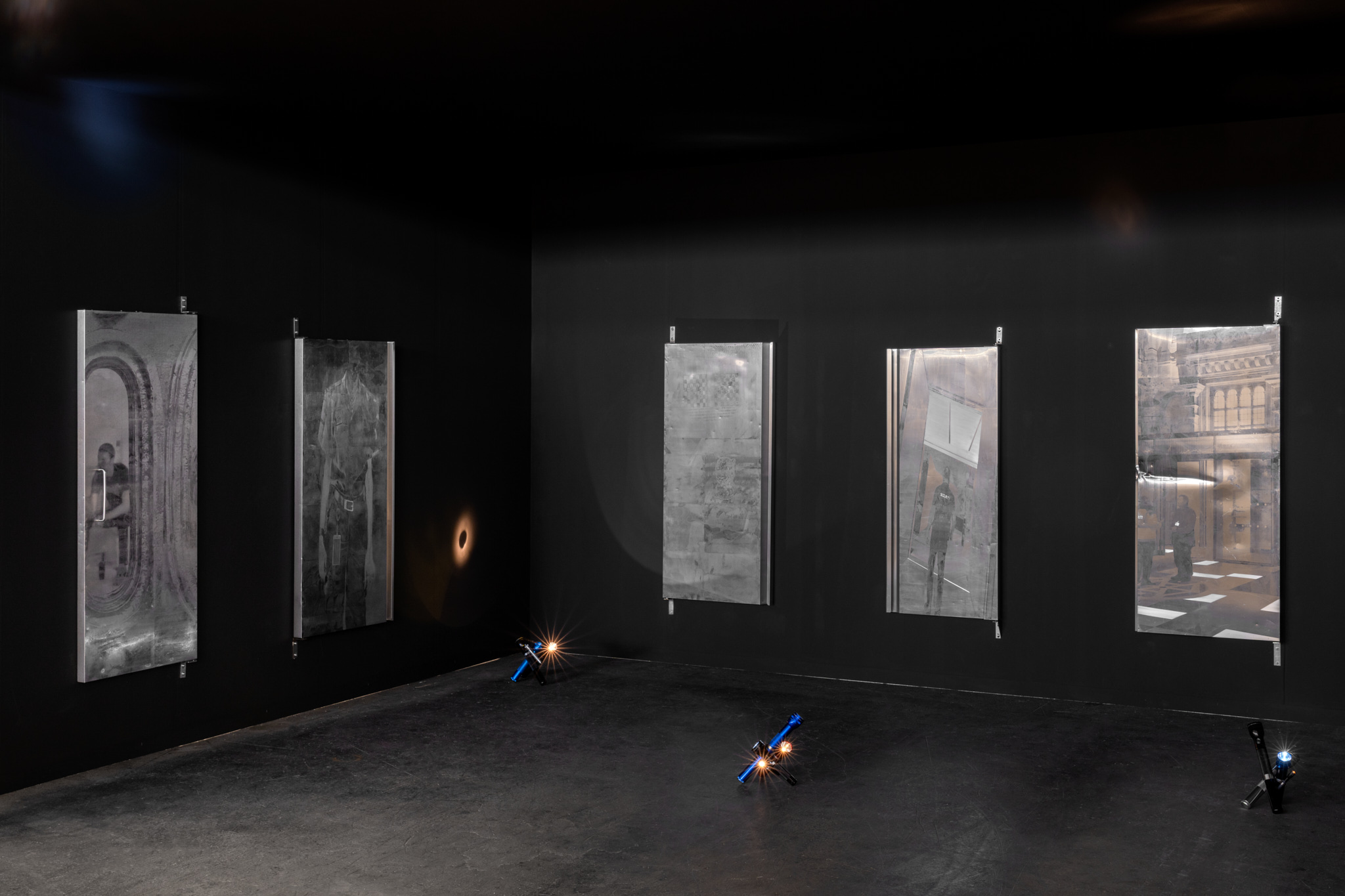
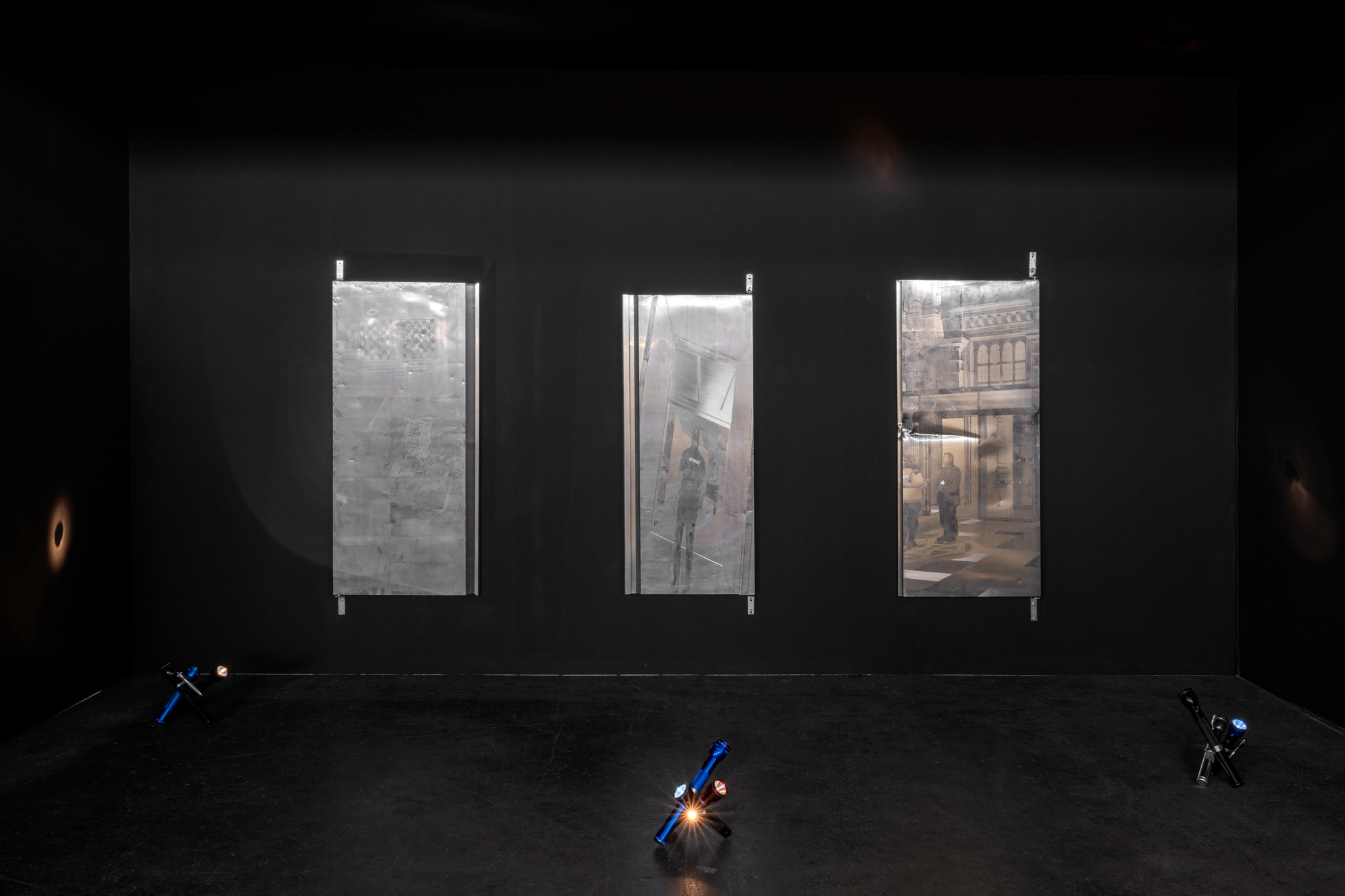
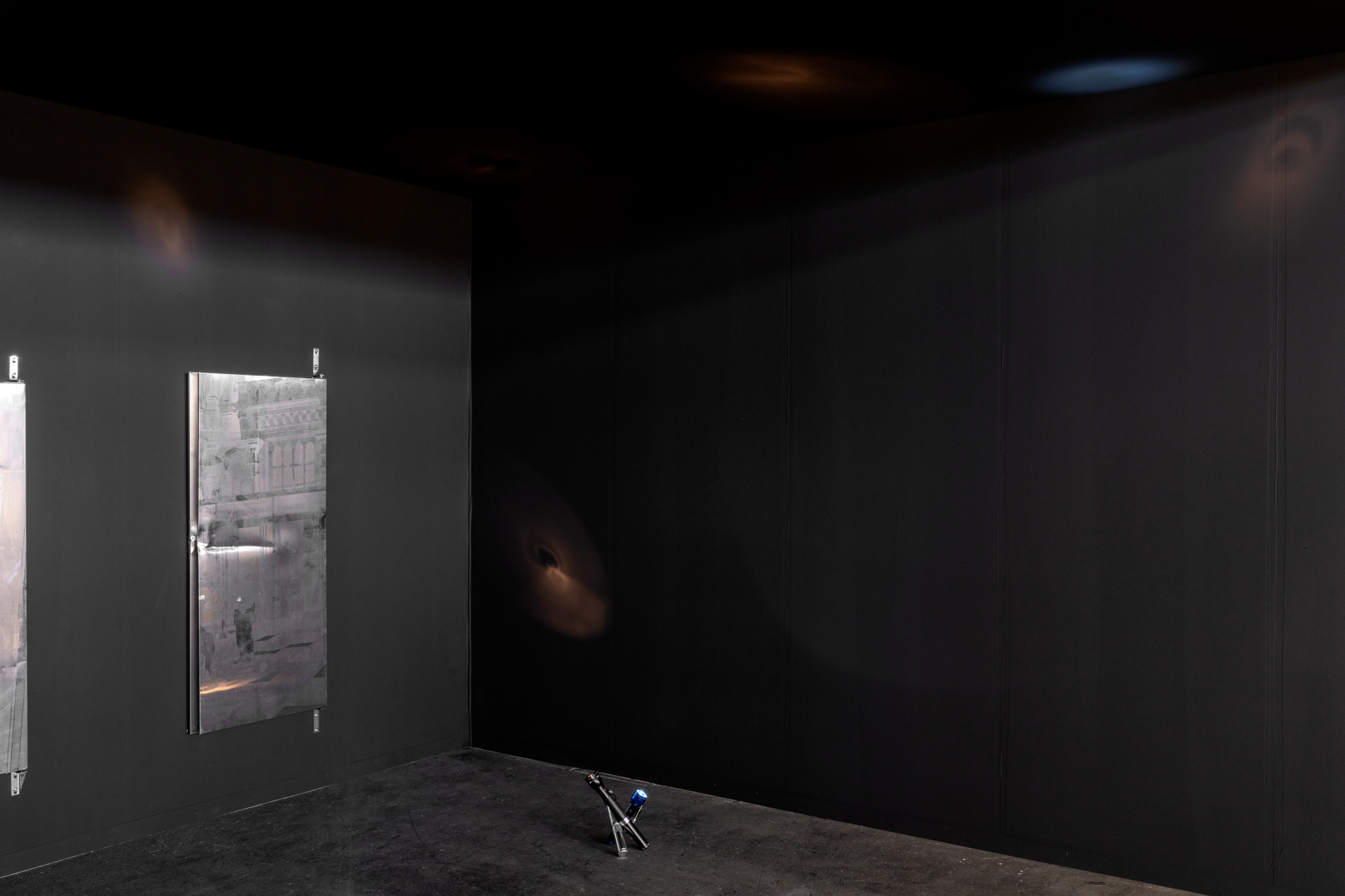
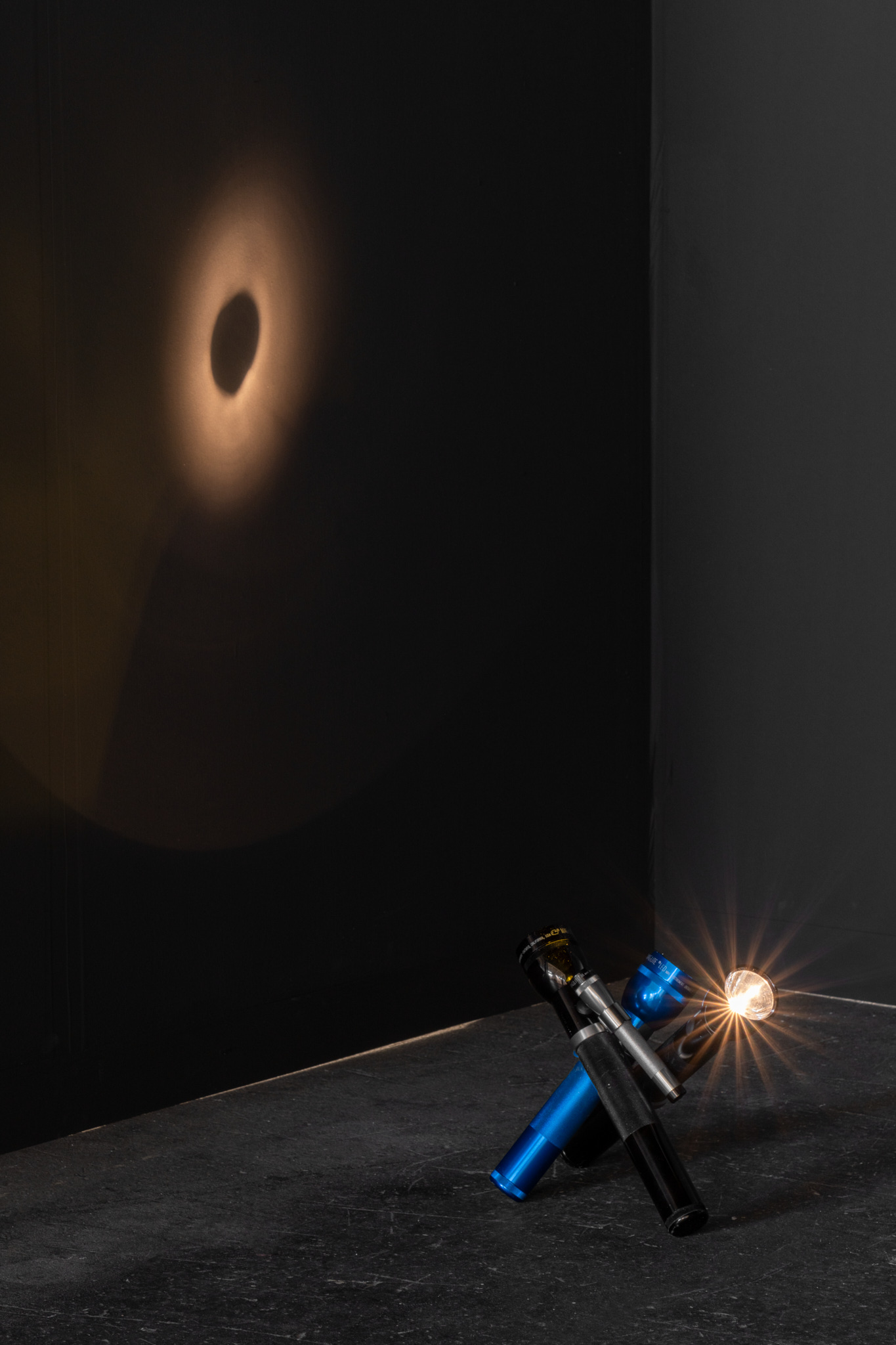
For Liste Art Fair Basel 2026, the artist has created a new installation consisting of a series of refrigerator doors reminiscent of cold-storage units, alongside a sculpture assembled from pre-owned flashlights. Together, these works reflect on the act of guarding within the museum and its relation to broader systems of surveillance. Those who protect are themselves being watched. Guards become guards through their uniforms, which are structures in their own right, granting authority while also exercising power themselves.
In a process informed by accidents, the artist uses chemicals to intensify and erode images that he layers and transfers onto the metal surfaces. The steel surfaces are shaped through a combination of image transfer, engraving, and sanding. Together with the differently lit beams cast by the flashlights, they evoke the glass of the museum vitrine, causing images to appear and recede as the viewer moves around the work. But in this movement, the works hold up a mirror to the institutions they inhabit. Their refusal of a single, authoritative point of view goes hand in hand with producing their own regime of visibility.