Installation Views
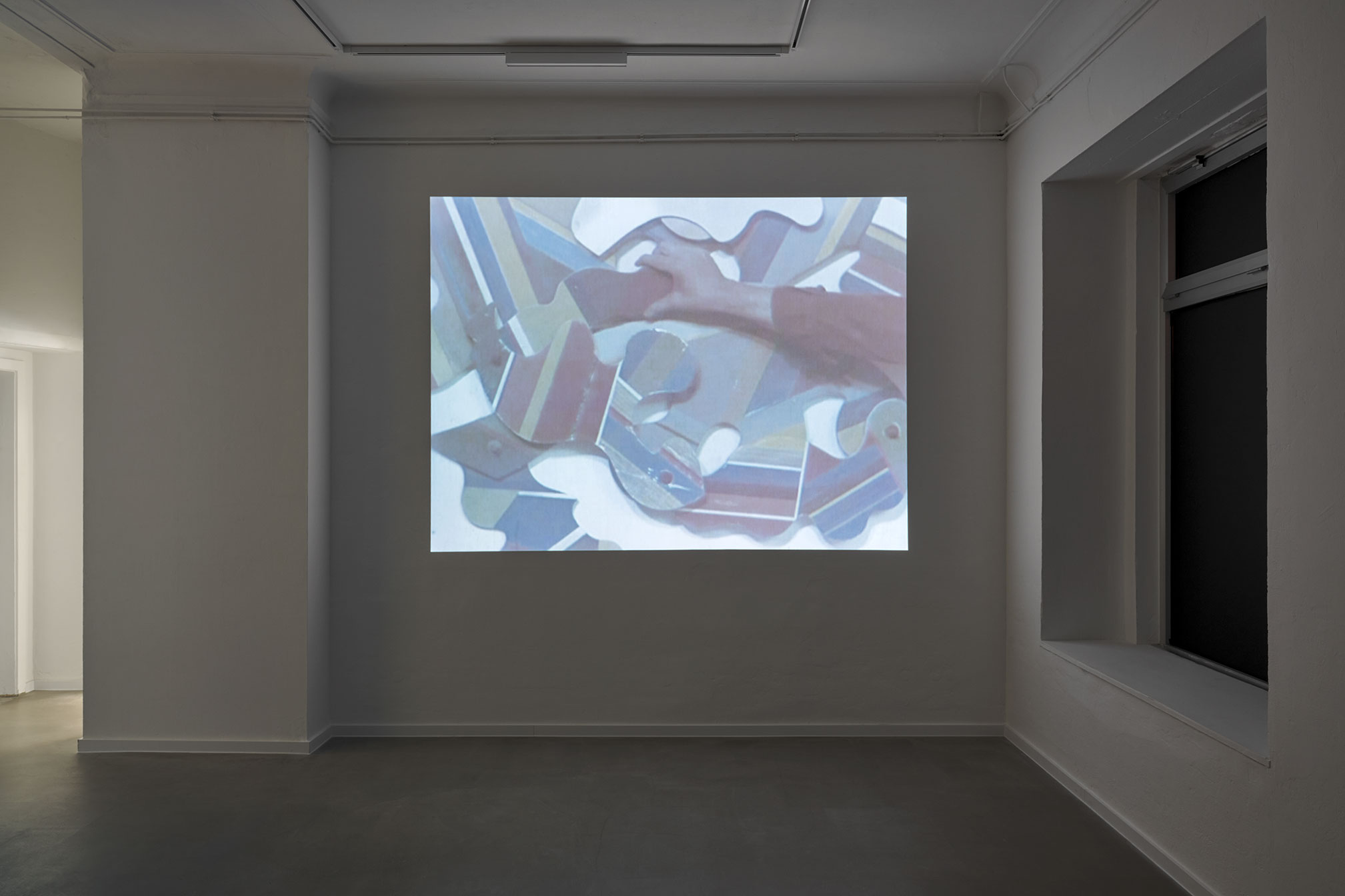
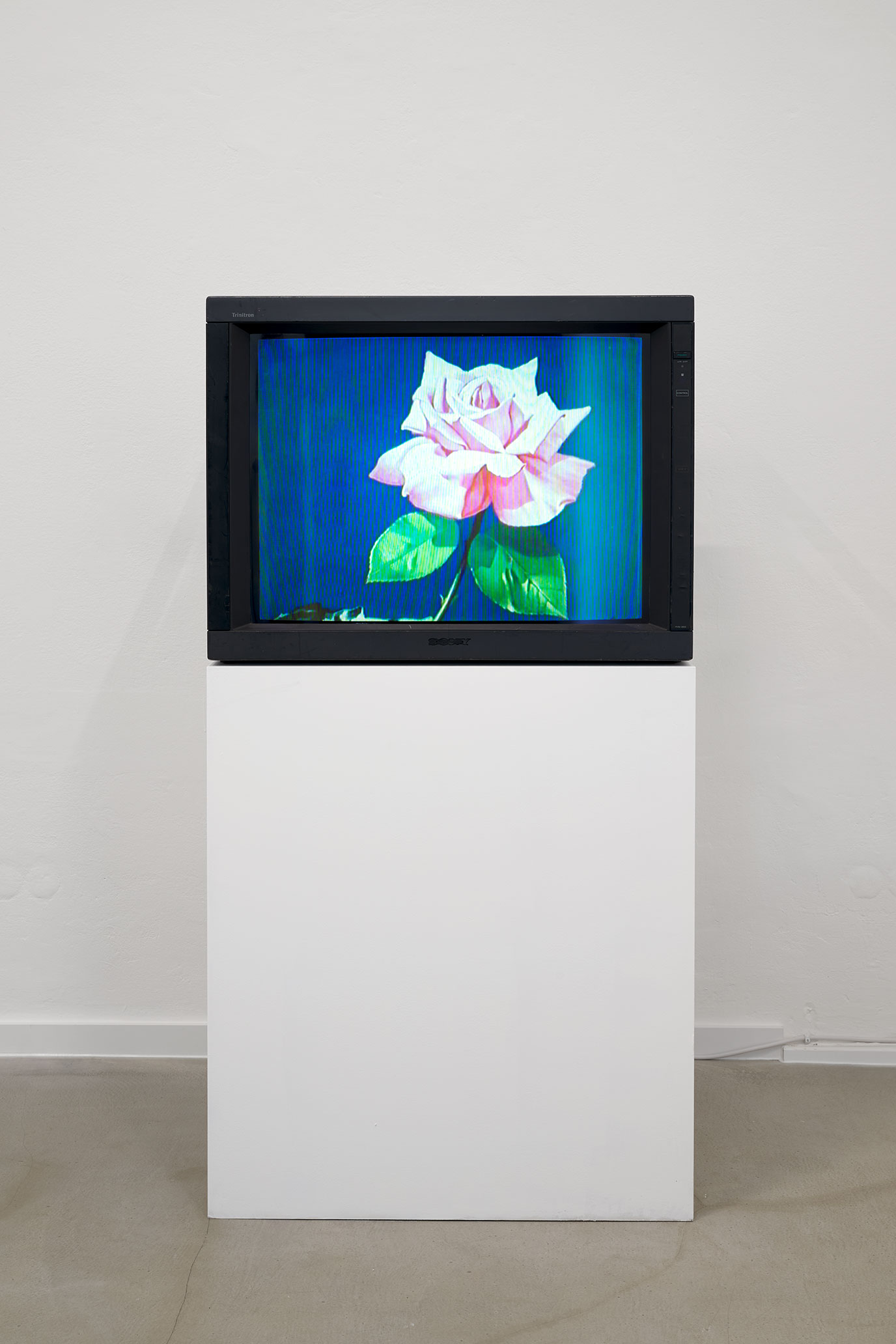
Video
Works
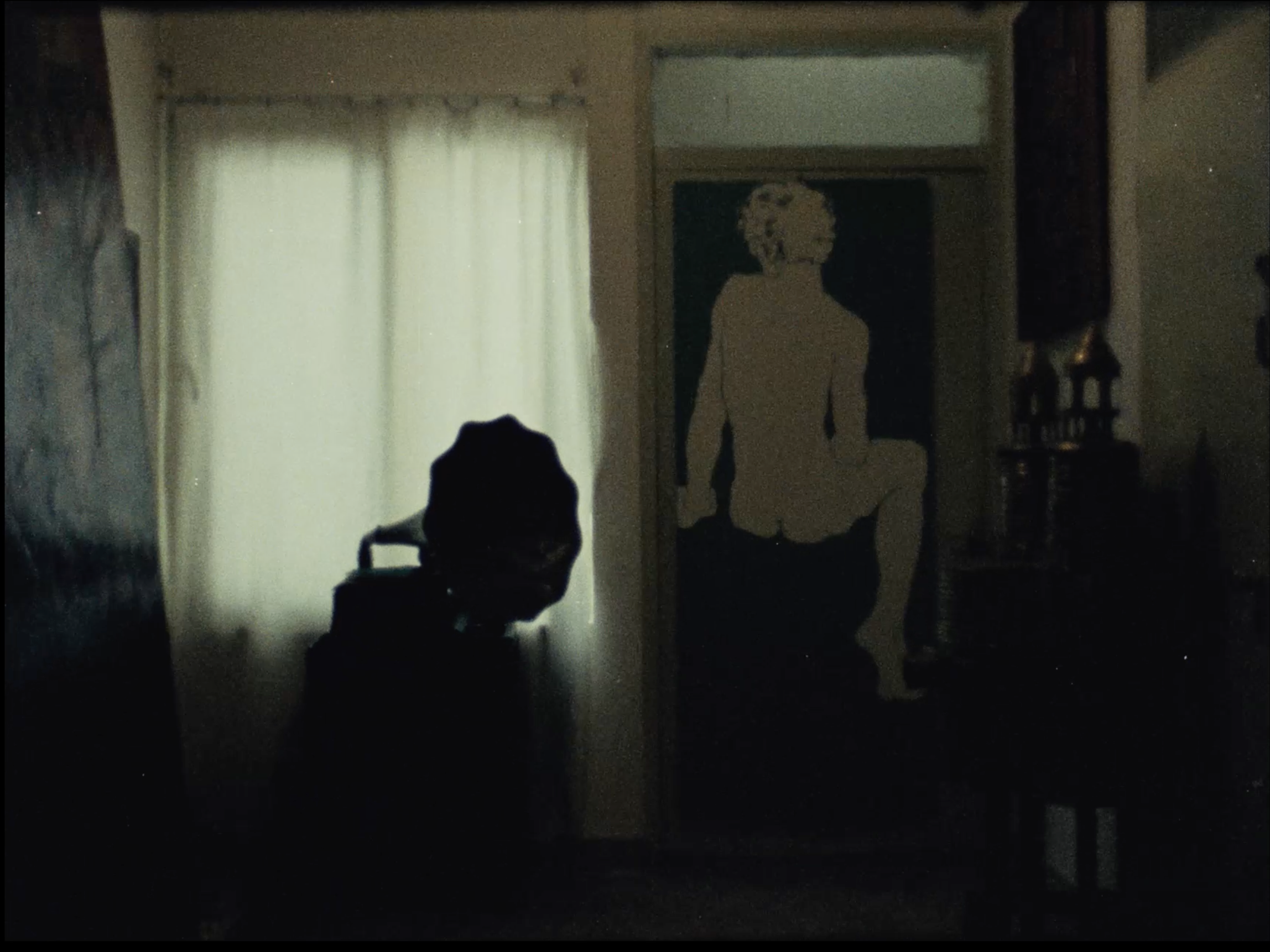
Khosrow Sinai, Modern Iranian Art, 1977, 26:40 min
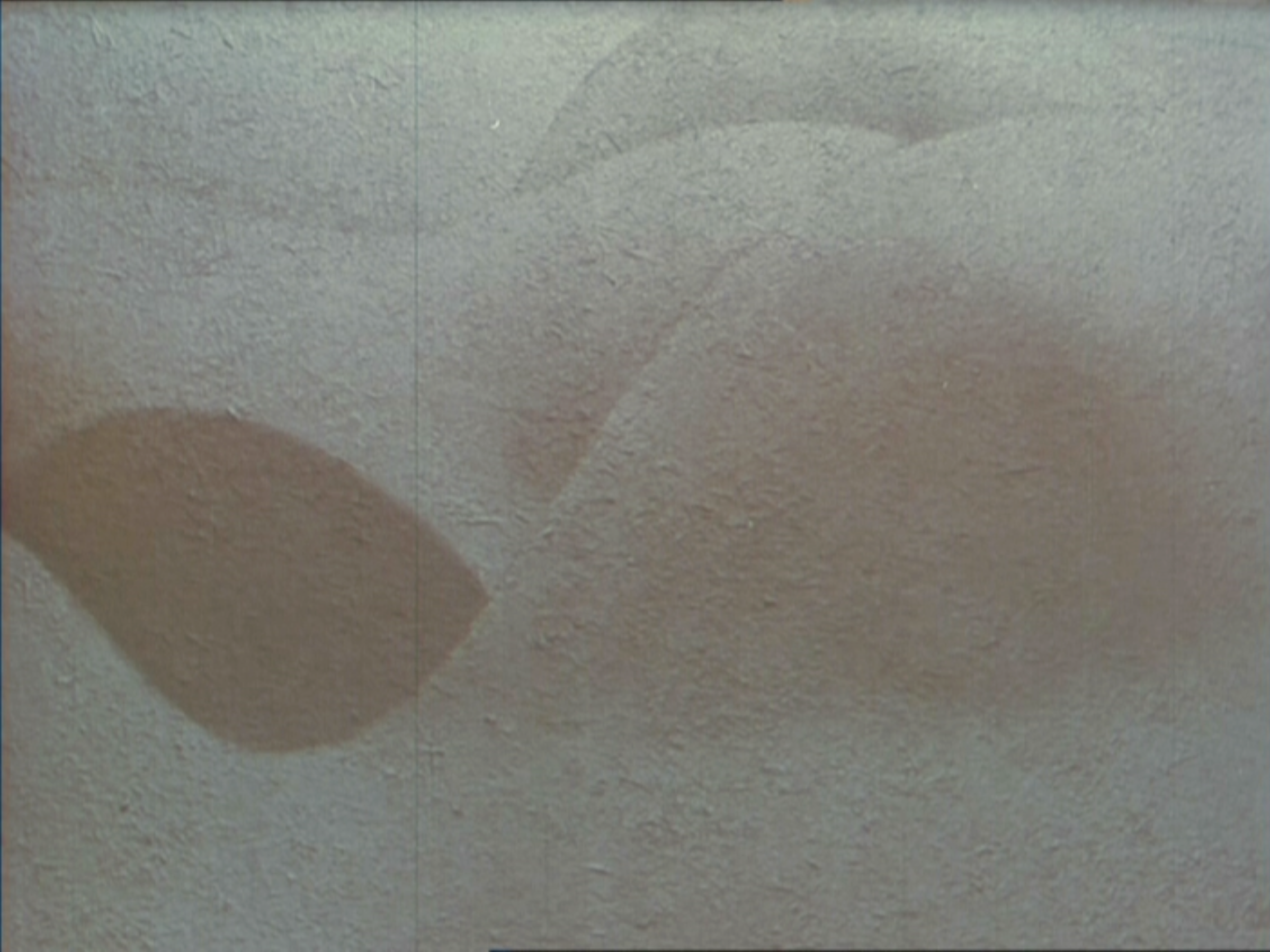
Khosrow Haritash, The Blossomed, 1978, 30:05 min
Press Release
“This movement offers a hopeful promise,” proclaims The Blossomed, a documentary about theIranian modernist movement in art. It continues, “the pinnacle of creativity is yet to come,” beforethe film suddenly breaks off, leaving its final conclusive line inaudible. The fragile and decayingcondition of this short art documentary eerily mirrors the state of its time.
Films Without a Tail is dedicated to showcasing two rarely screened films from 1970s Iran, bothconceived as surveys of the nation’s contemporary art scene at its peak—a movement whoseinternational exposure and impact on Iranian art remain unparalleled.
Khosrow Sinai’s Modern Iranian Art (1977) traces the evolution of modern art in Iran through the vibrant milieu of the Modern Iranian Art Gallery, founded in 1961 by artist Jazeh Tabatabai. The film — screened publicly only once before in February 2025 at the Victoria and Albert Museum in London — features artists of strikingly diverse sensibilities, from the traditional miniaturist Abbas Jalali Sousan-Abadi to modernists such as Jalil Ziapour and Behjat Sadr. Blending commentary with cultural observation, Sinai uses the cinematic lens to reveal the vivid textures of a thriving art scene wherecenturies-old traditions are reimagined with the passion and vitality of a new modernist spirit.
The previously unseen The Blossomed (Khosrow Haritash, 1978) opens with a shot of the newly inaugurated Tehran Museum of Contemporary Art, delving into the worlds of artists whose works now form the core of the museum’s collection.
Produced during the final year of the Pahlavi dynasty — just before the 1979 Revolution curtailed not only the creative lives of the modernists it depicts but also the very notion of “modern” — the film’s hopeful promise lingers midair and dissolves. Much like the film itself, many of the lives it portrays were left suspended for a while after the Revolution. This “film without a tail” tells the story of acountry whose long tale of art lacks an ending.
While many of these artists are now well recognized and celebrated internationally, the cinematic documentation of Iran’s modernist art remains largely unexplored—owing to the inaccessibility of the films themselves. As these pivotal artists worked in their studios, creating pieces that would influence generations, Iranian filmmakers—under the banner of the “New Wave”—were simultaneously crafting some of the most enduring films in the nation’s cinematic history. This unwritten history reveals the fascinating, overlapping complexities of the broken link between Iran’s modern art movement and its new cinema.
Curated by Ehsan Khoshbakht
The Filmmakers
Khosrow Sinai (1941–2020) studied architecture and music in Vienna before turning to cinema. Upon returning to Tehran, he became a key figure of the 1970s Iranian documentary movement, dedicating much of his work to portraying Iranian art—especially the modernists—on screen. Many of his films were produced or funded by governmental institutions, particularly National Television, where he was employed. After the Revolution, Sinai expanded his career into fiction filmmaking, most notably with In the Alleys of Love (1990), which premiered at Cannes.
Khosrow Haritash (1932–1980) remains a mysterious figure in Iranian New Wave cinema. His brief and marginal career has rendered assessments of his contribution more a matter of legend than of documented history. Of the four feature films he directed, two have not been screened since their original premieres more than fifty years ago. A UCLA graduate, Haritash made only a couple of documentaries, often produced by the Ministry of Culture.
Special thanks to art historian and curator Ali Bakhtiari, and to the Khosrow Sinai family.