Installation Views
Video
Works
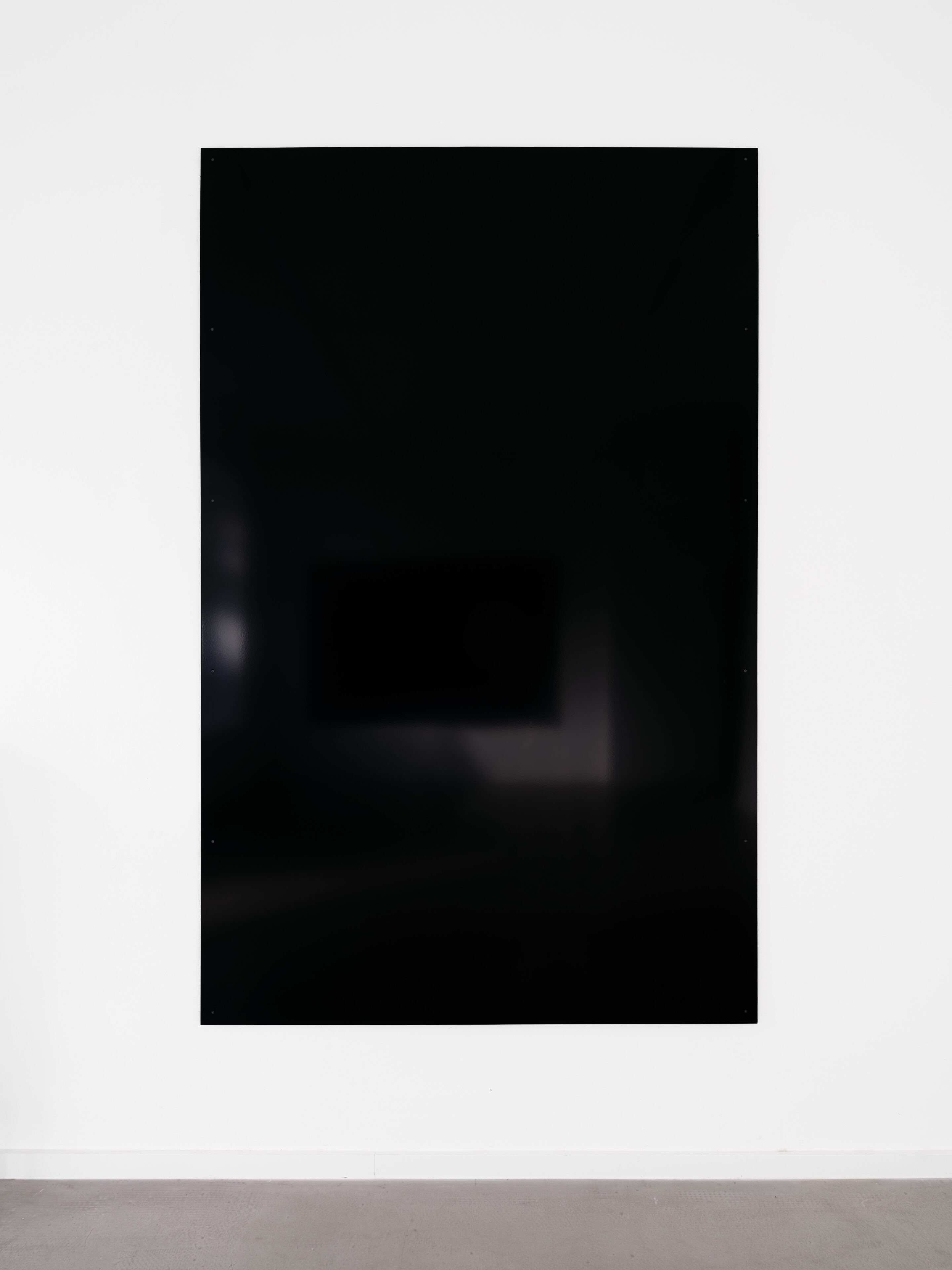
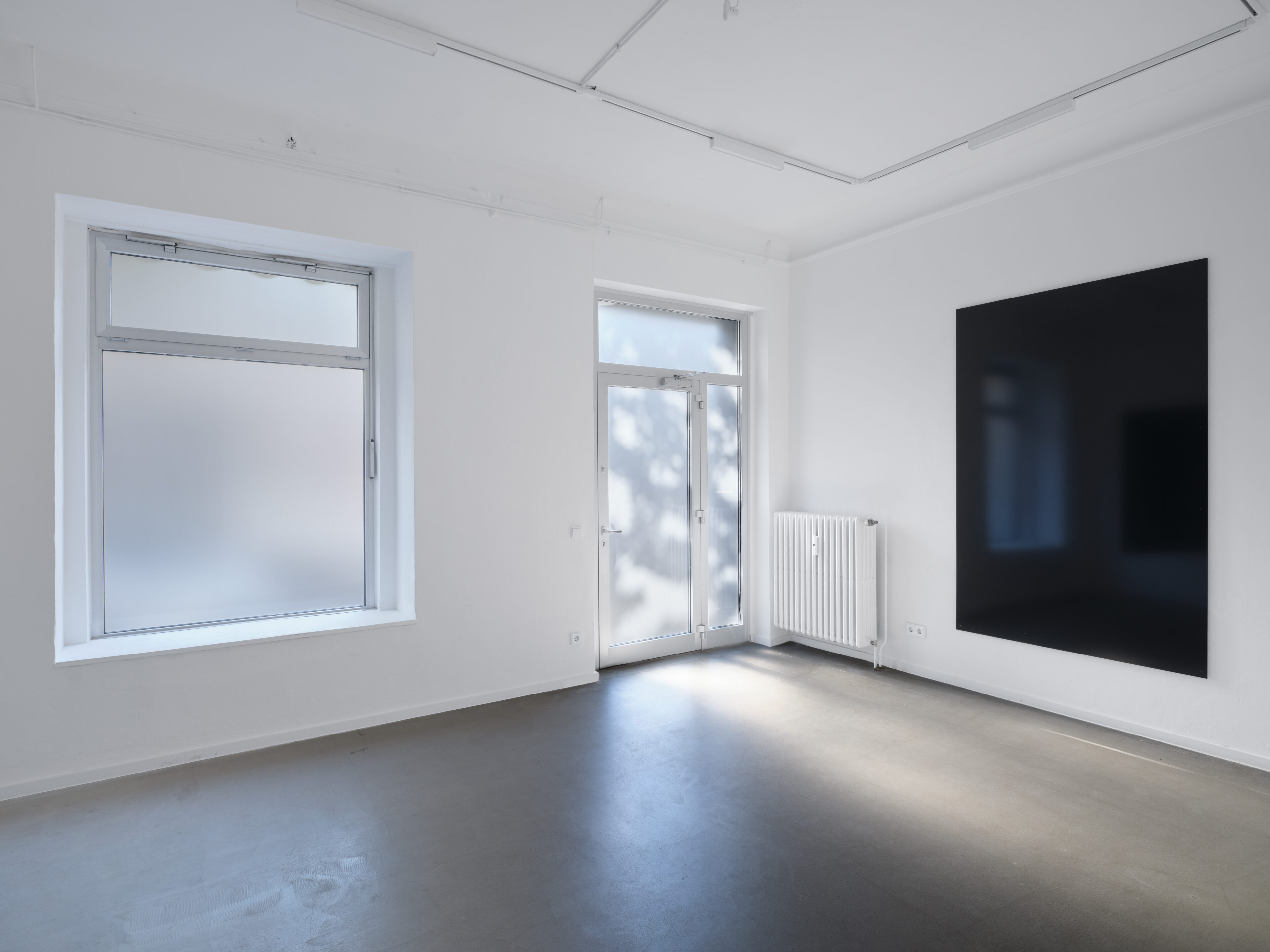
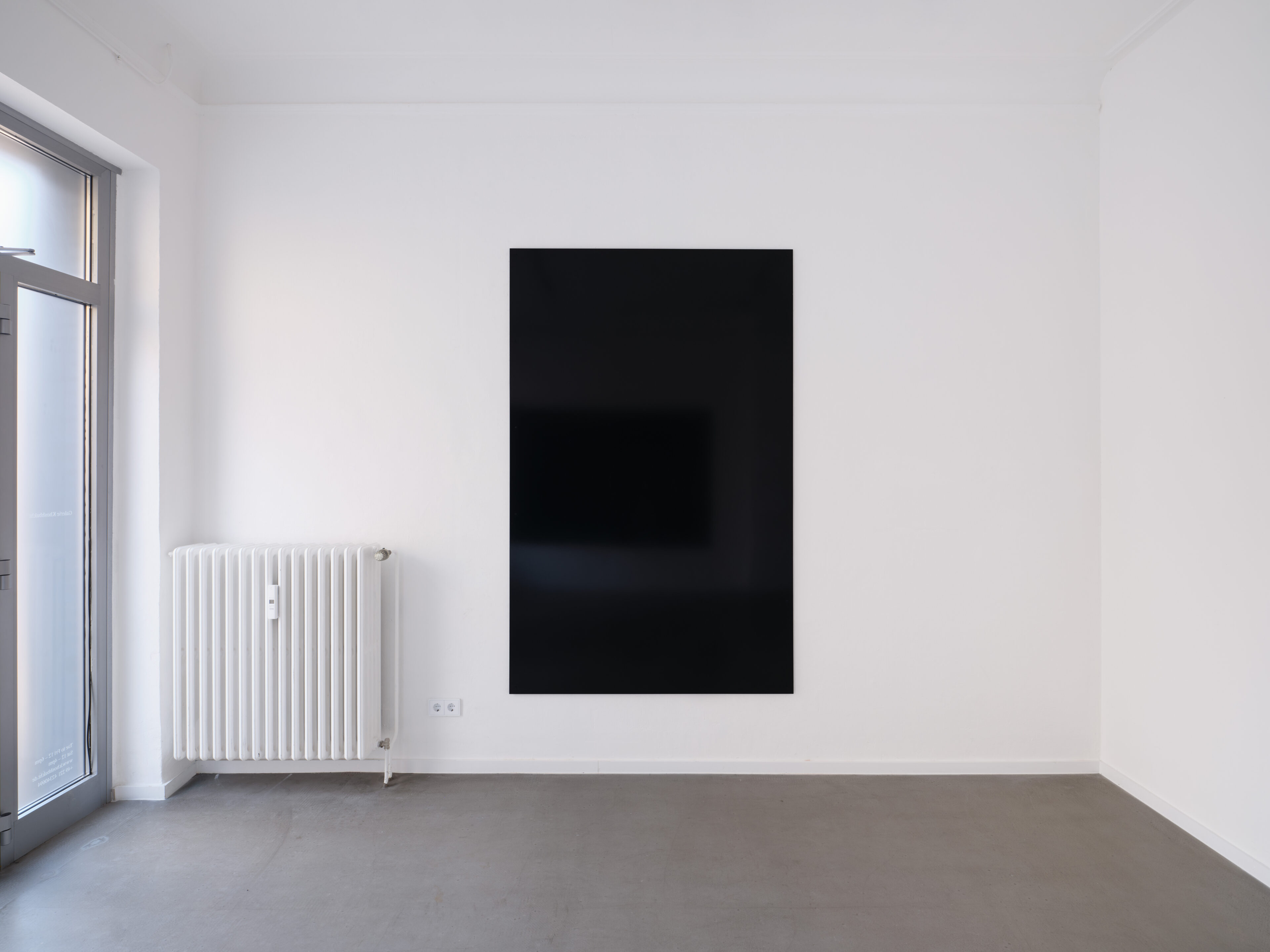
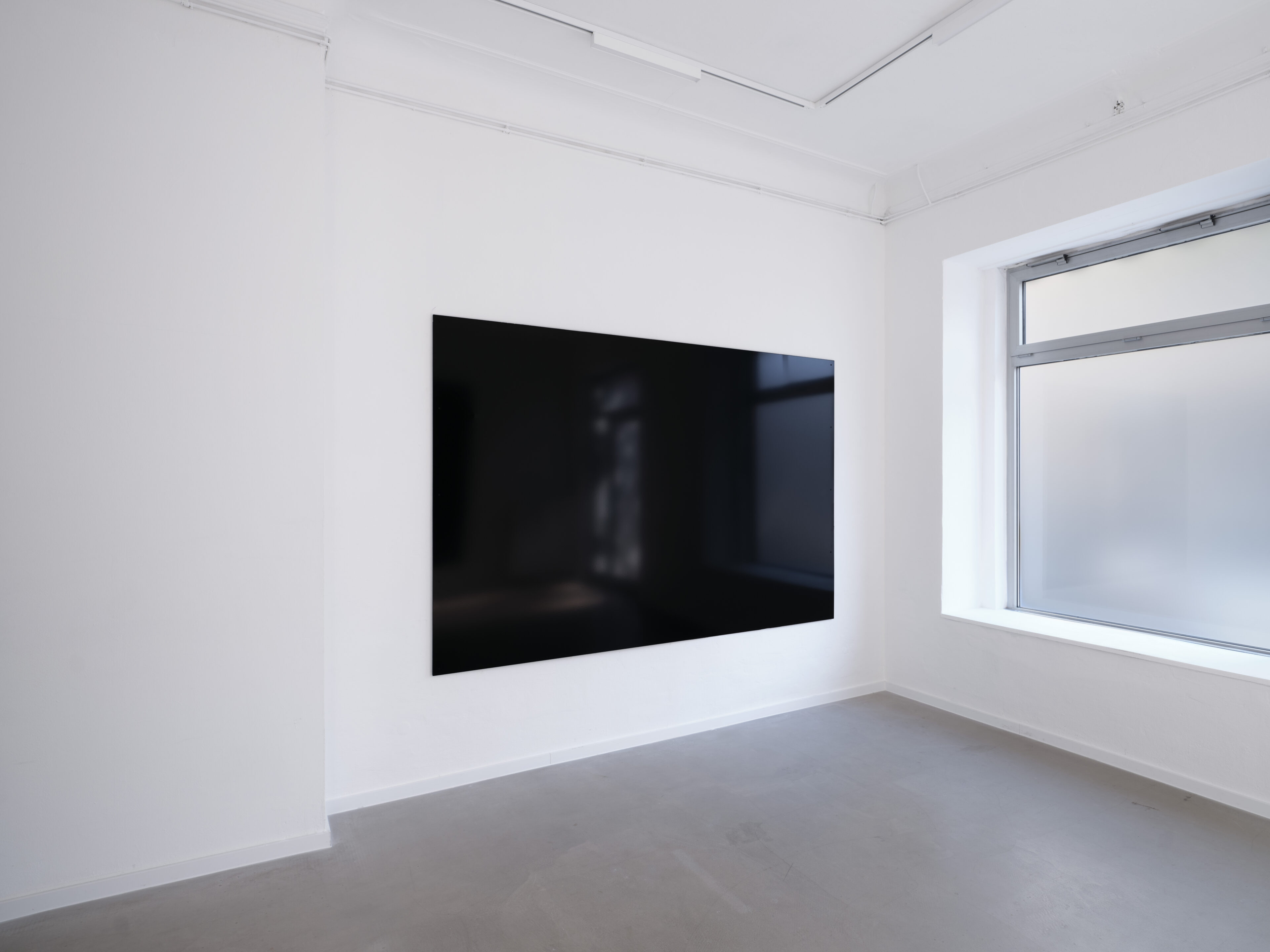
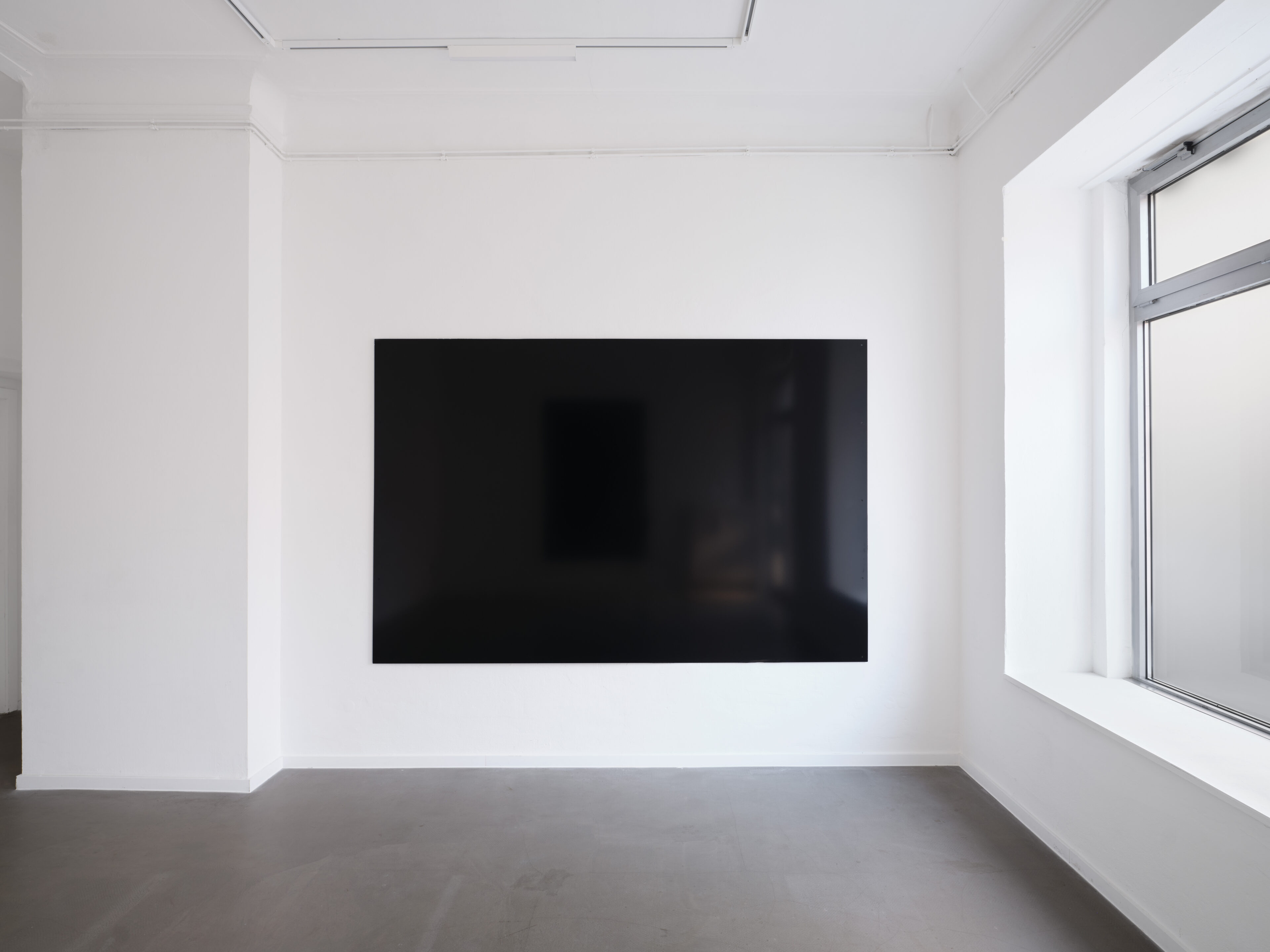
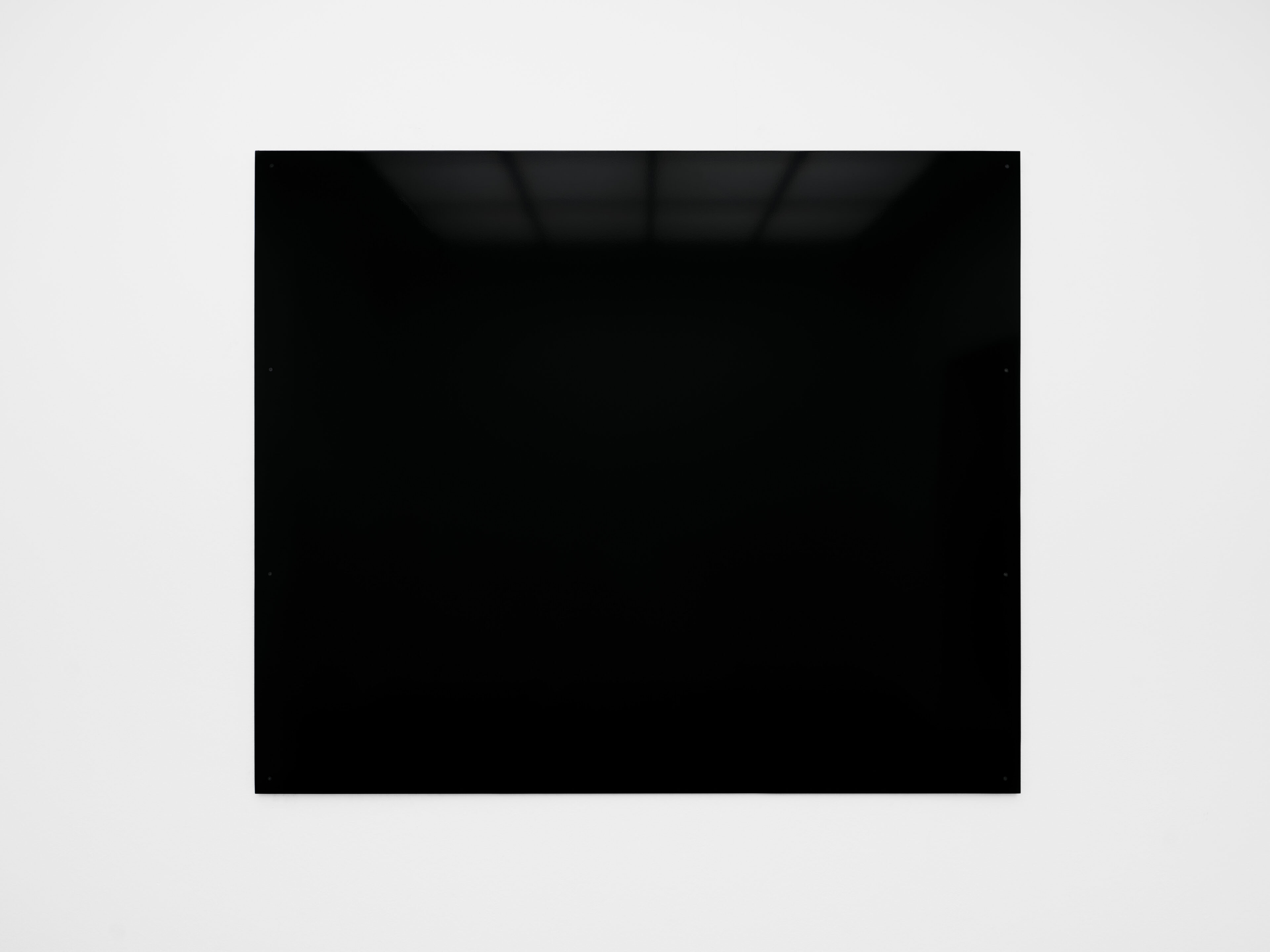
Inscription, 2026, steel, impact-resistant powder coating, screws, 220 × 140 cm

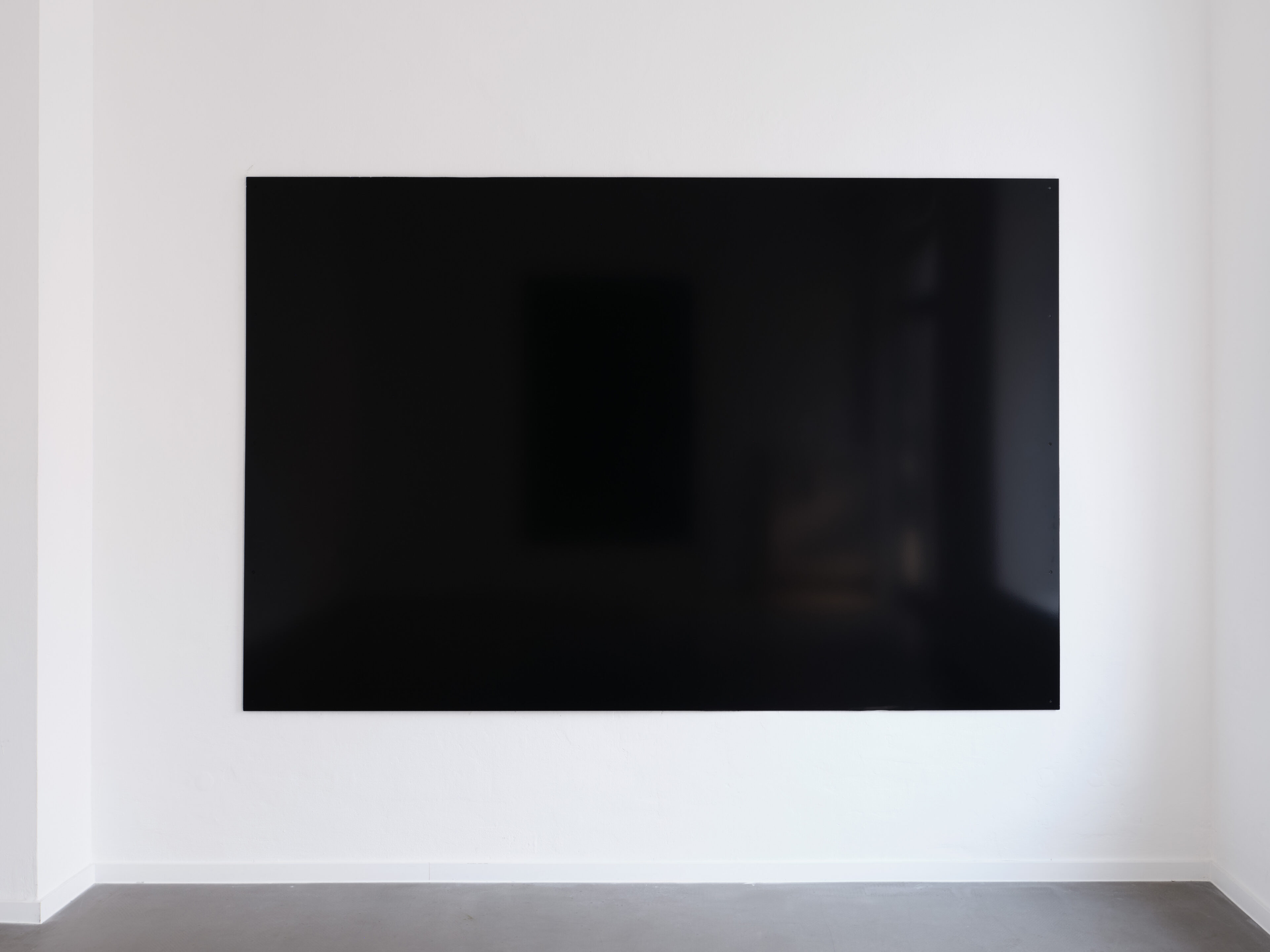
Inscription, 2026, steel, impact-resistant powder coating, screws, 70 × 260 cm
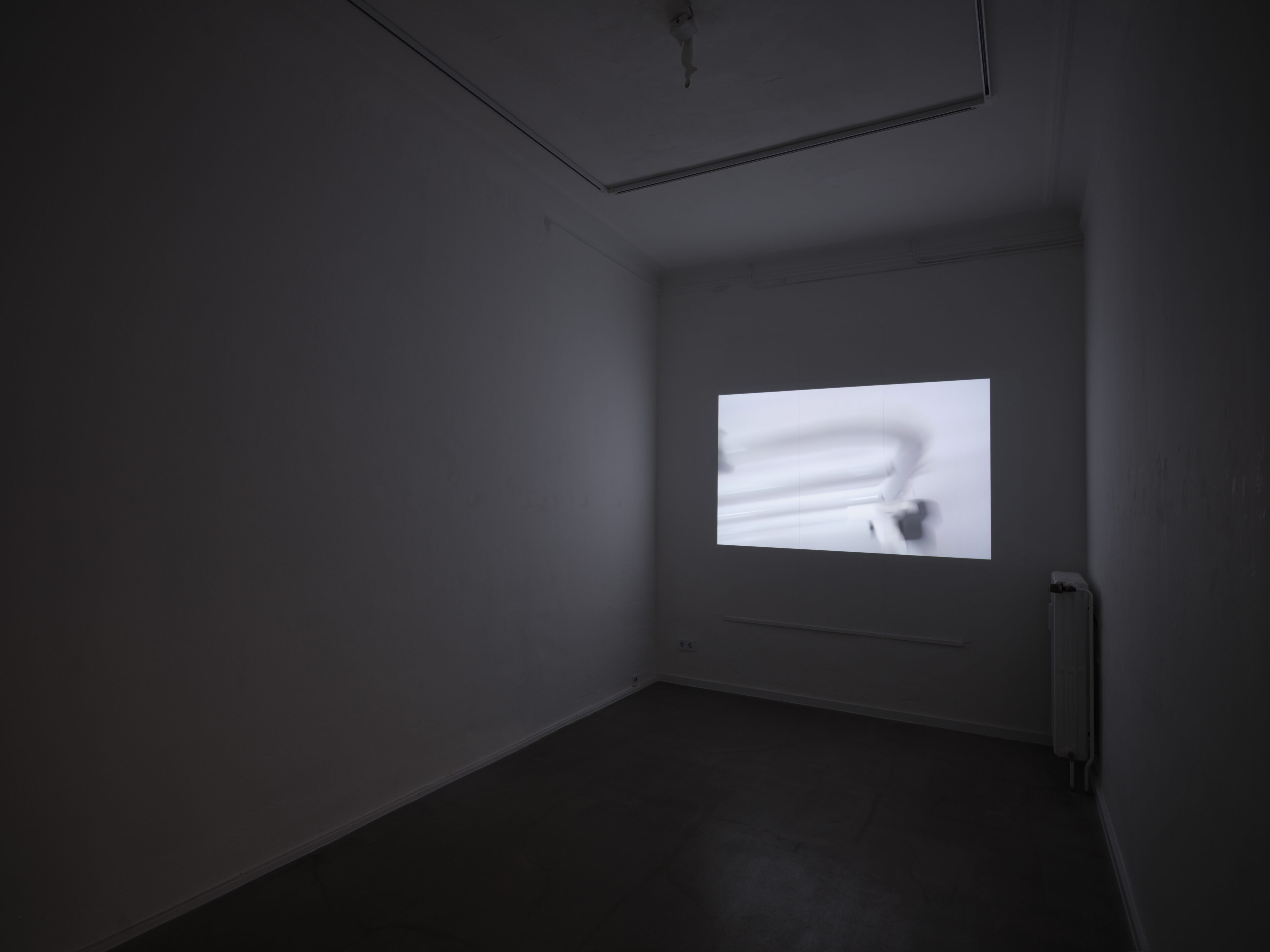
Substitute, 2026, video, color, silent, 27:24 minutes
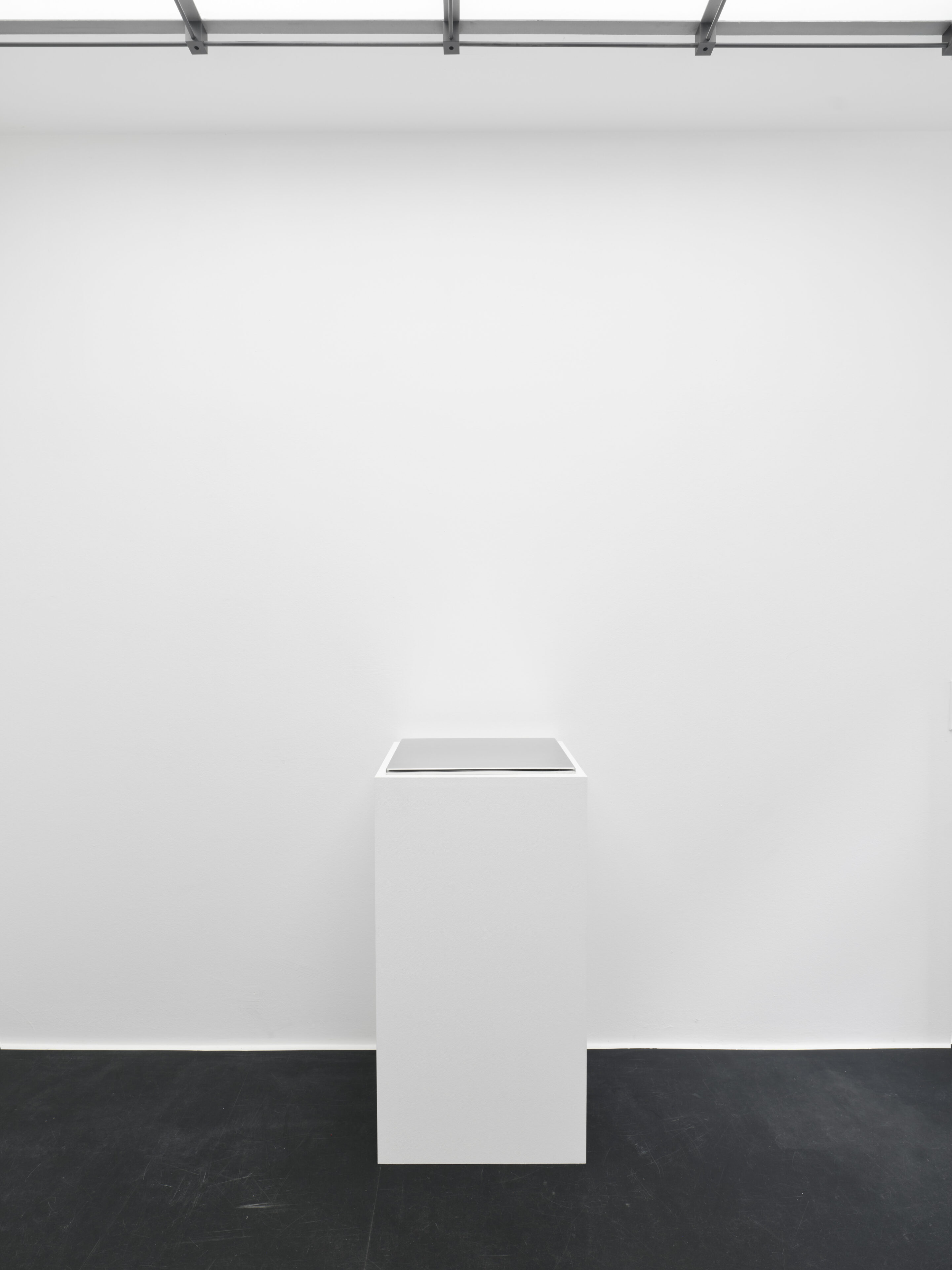
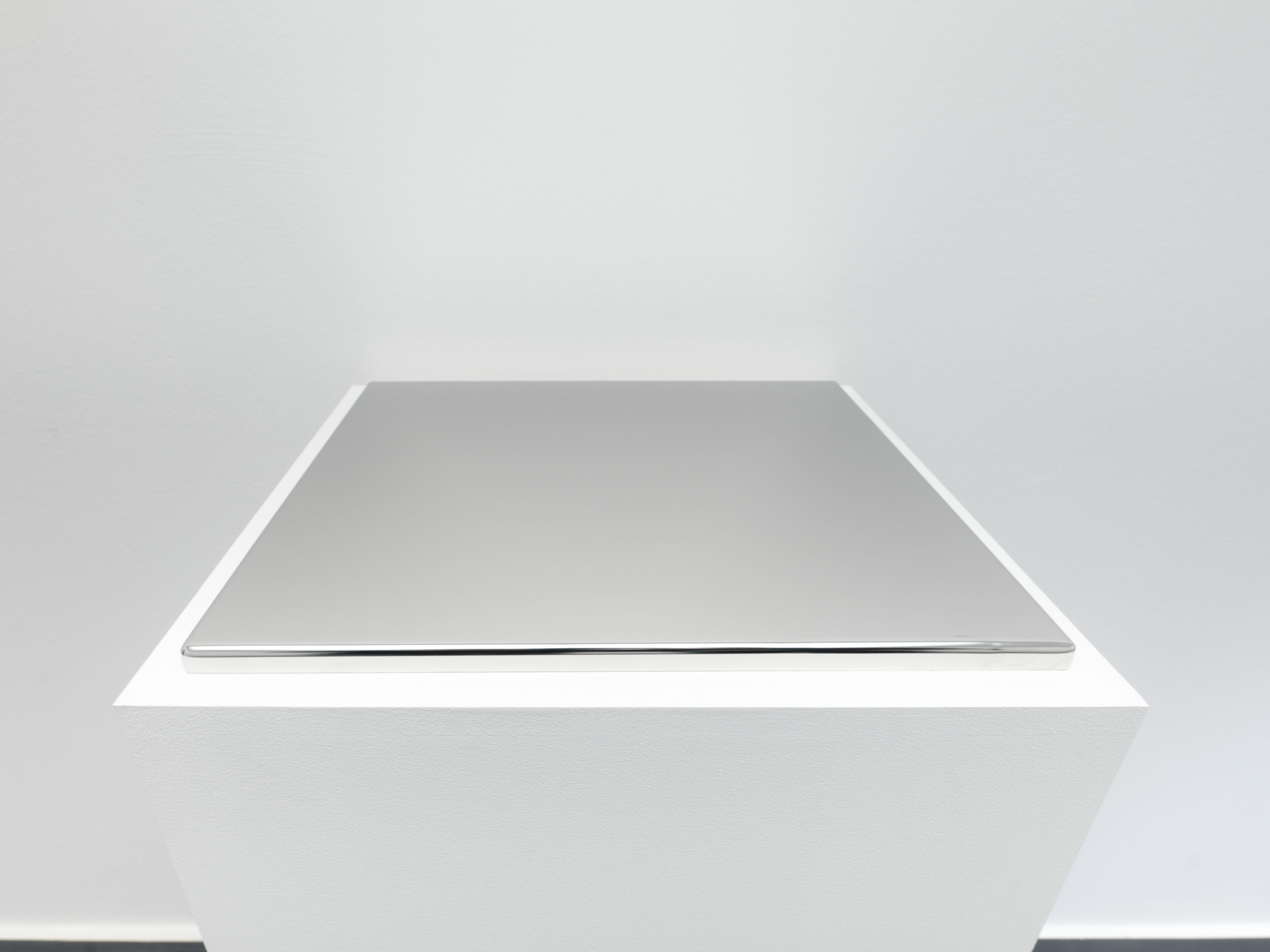
Untitled, 2025, electropolished stainless steel, 40 × 47 × 1 cm
Inscription, 2026, steel, impact-resistant powder coating, screws, 126 × 150 cm
Press Release
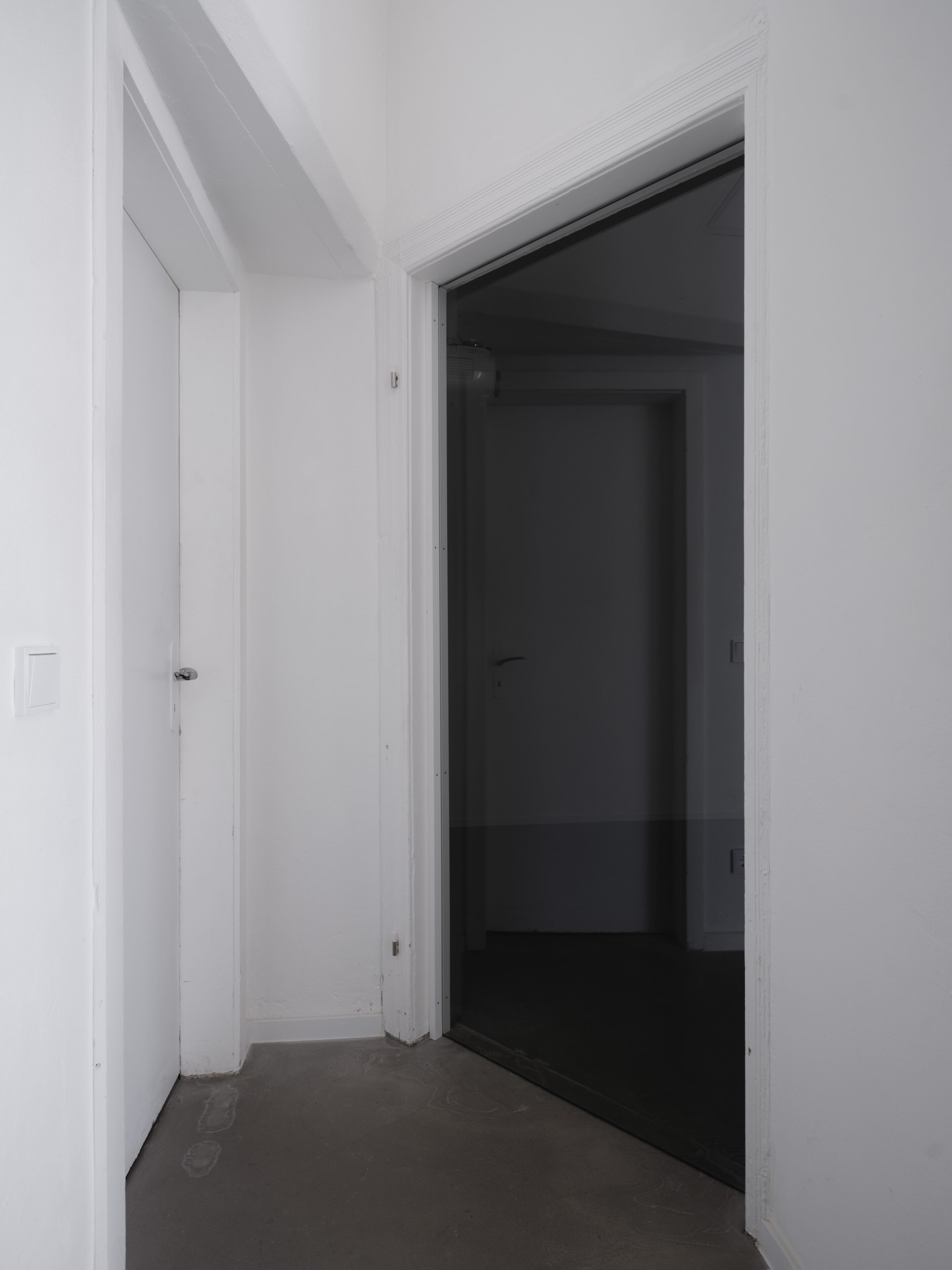
Something metallic appears to have been photographed at very close range, though proximity has made it less recognisable. This fading image is one of 98 photographs in a silent, looped projection in the second room of the gallery, Pierre Allain‘s first exhibition at Galerie Khoshbakht, titled Condition. Taken from different angles, cropped and with shifting focus, the photographs all return to a hospital bed rail. An object intended to accompany a body in a hospital has become the subject of an apparently inexhaustible examination. The rail is a stand-in for another, remembered one, but a stand-in that has become the central object in its own right, photographed repeatedly in its very inadequacy as a substitute, broken into fragments through which something of the original encounter might be brought about again. The succession of images produces neither continuous movement nor a more complete portrait of the object; each image begins the act of looking again, and it is left to the person watching to make something of their intervals. Here, now, I am only the body that imagines them, which is perhaps not so far from the situation of the visitor, who will watch alone from the threshold of a room behind a wall of glass.
Going backwards into the room prior, two large steel plates face one another across the gallery. Finished in reflective black, impact-resistant powder coating, they measure 220 by 140 cm and 170 by 260 cm, dimensions like those of windows. The plates mirror each other in a deadpan standoff, two material doppelgängers in unaligned proportions. Similar forms recur throughout Allain‘s practice, sometimes with small changes in finish or placement, as though a technical specification could be repeated without quite reproducing the same circumstances. In a third room, accessible upon request, a smaller black plate hangs alongside an earlier sculpture, an industrial stainless-steel tray reproduced without its handles and placed horizontally on a plinth. Its electropolished surface has been treated to resist corrosion and bacterial adhesion. One surface anticipates a collision, the other the persistence of something too small to see, both prepared for events that may never take place. Their formal designs read like material scripts, accounts of possible encounters written before anyone arrives, although it is difficult to say who, exactly, is expected to follow them.
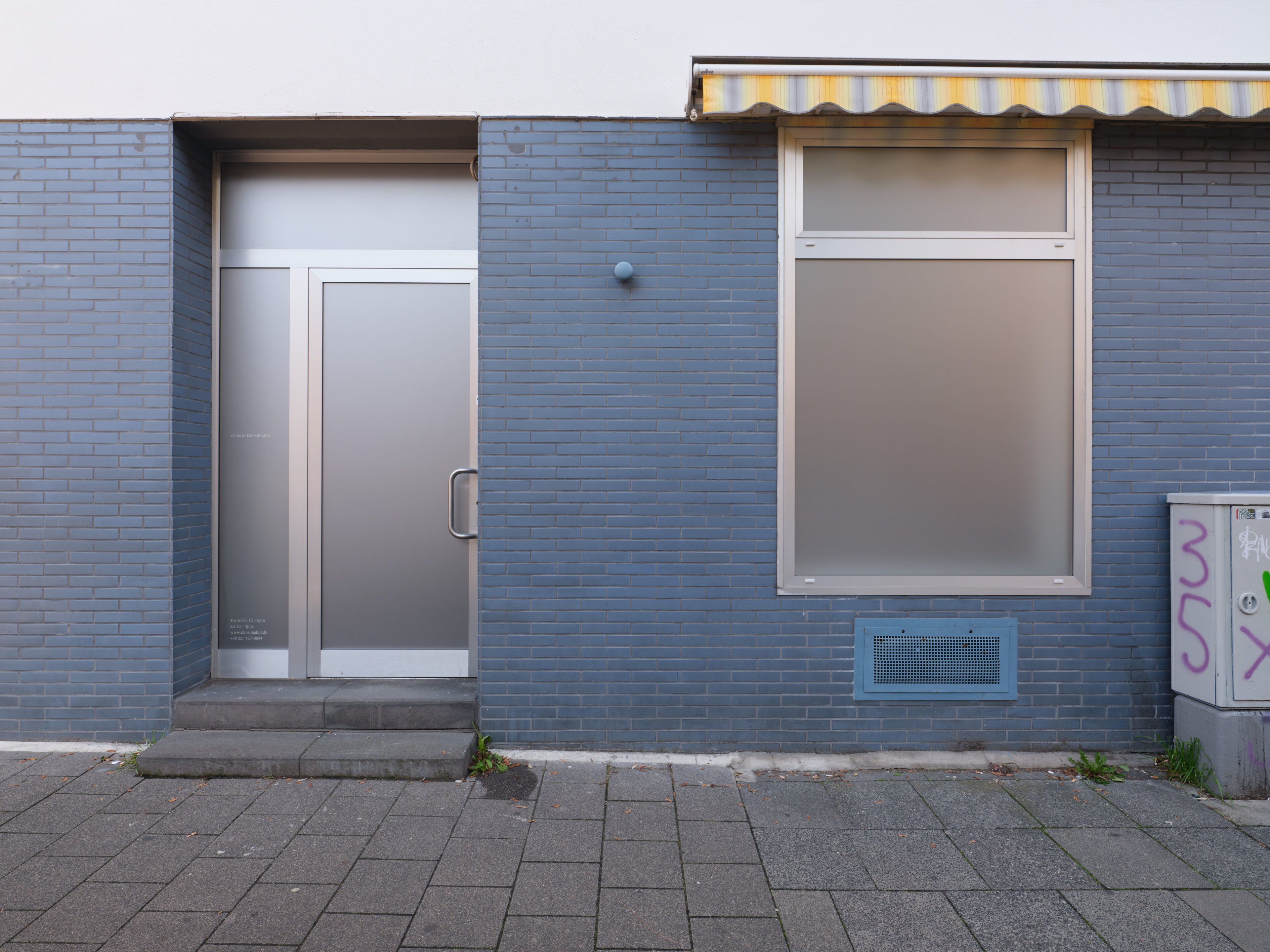
Throughout the exhibition, the rooms are subject to comparable arrangements. A transparent barrier permits looking but not entering; another room only opens through an exchange; opaque film covers the windows, limiting the view both from the outside and the street. The title, Condition, is remarkably direct, the sort of word one might find in a technical document, a medical report or the small print of an agreement. Here its meaning is established less by definition than by the procedures through which a visitor encounters the work. Outside and elsewhere, the terms of access to public provision and protection are being contested. The exhibition and its proposals remain in the midst of these events, its interior lit up by the remnants of a bed rail.
Line Ebert