–
Under Cygnus and Aries
Installation Views
Video
Works
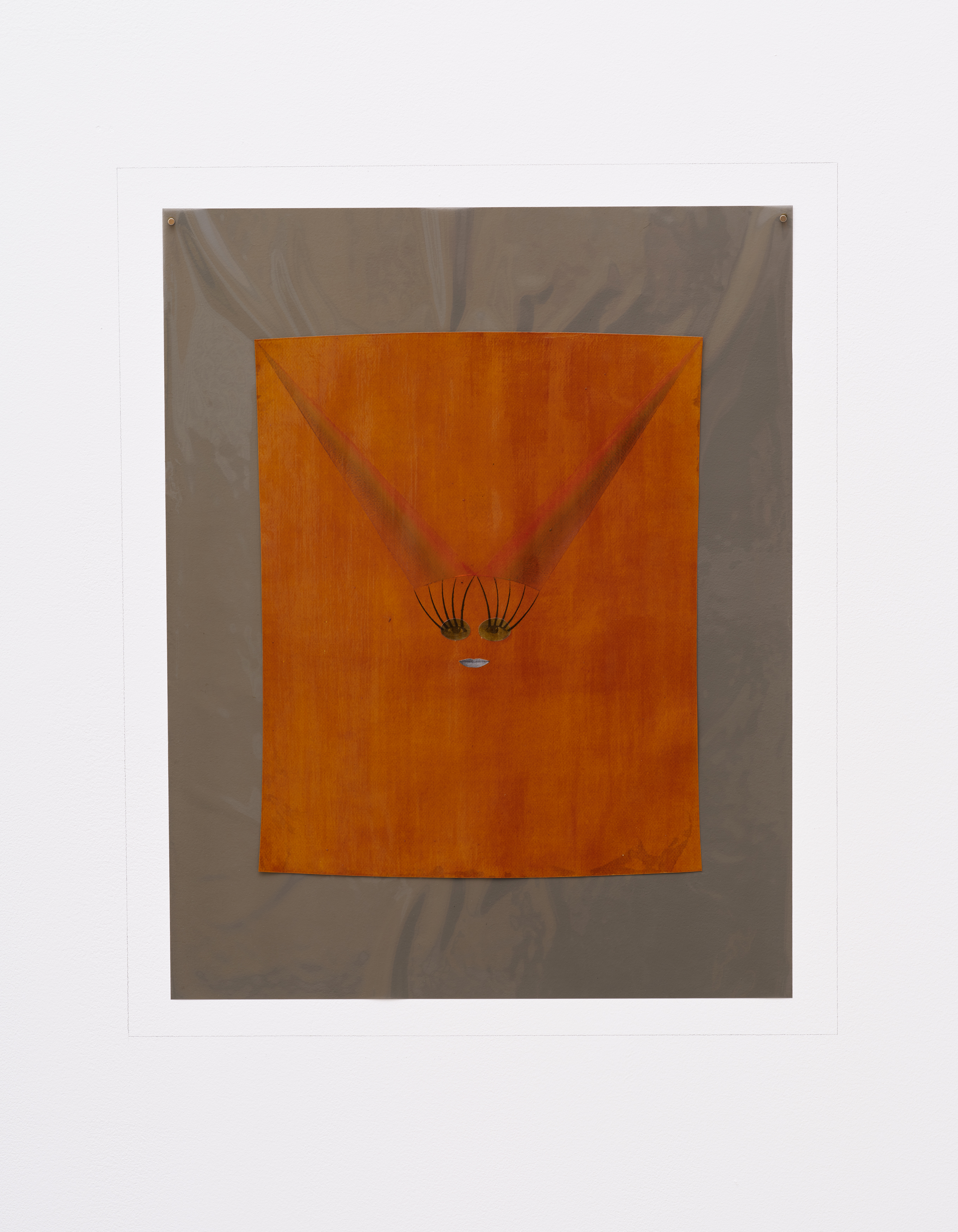
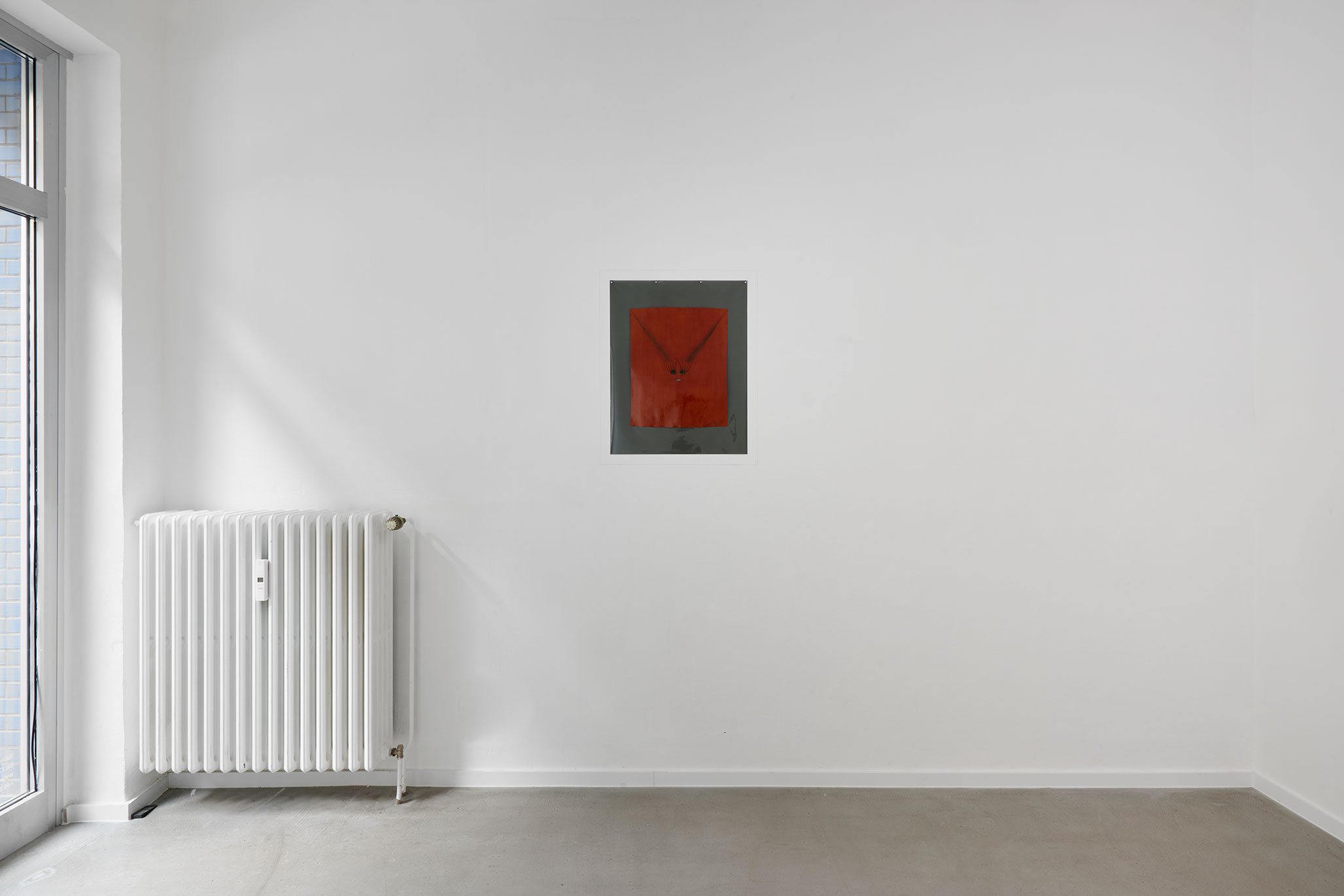
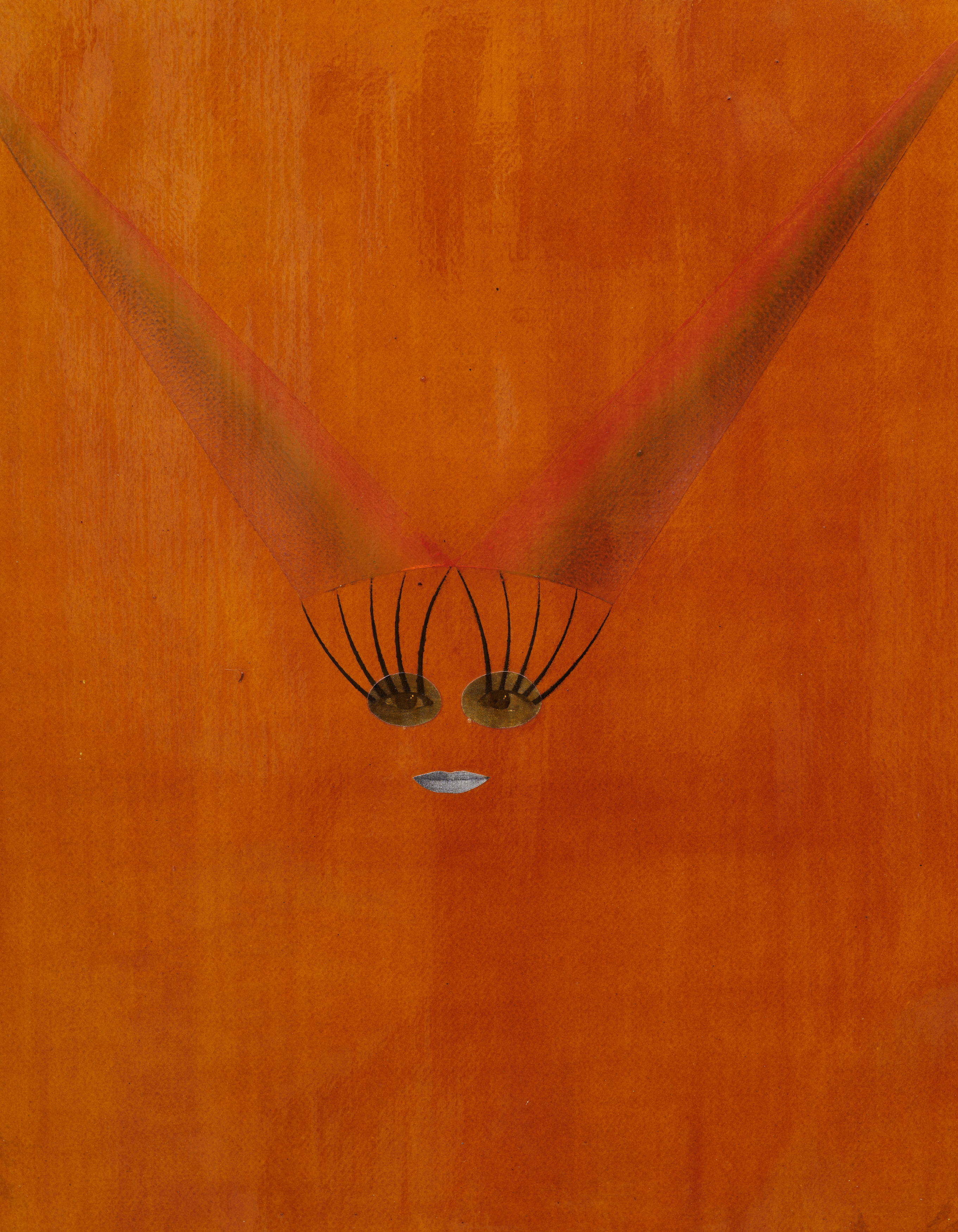
Where Nascent Light Catches on the Eyelashes, 2025, Pigment, bone glue, spray paint, shellac, print on paper, 40 x 50 cm

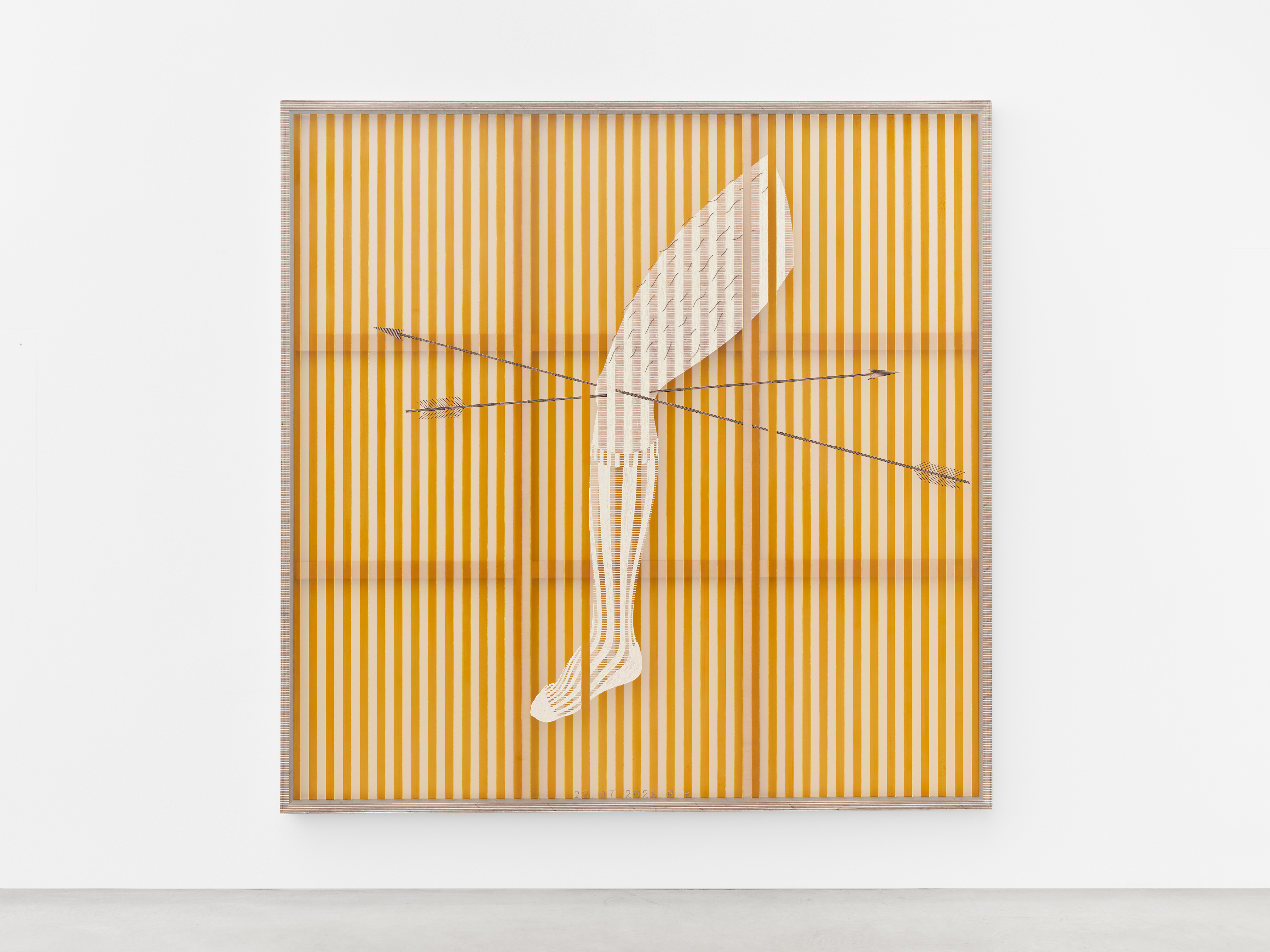
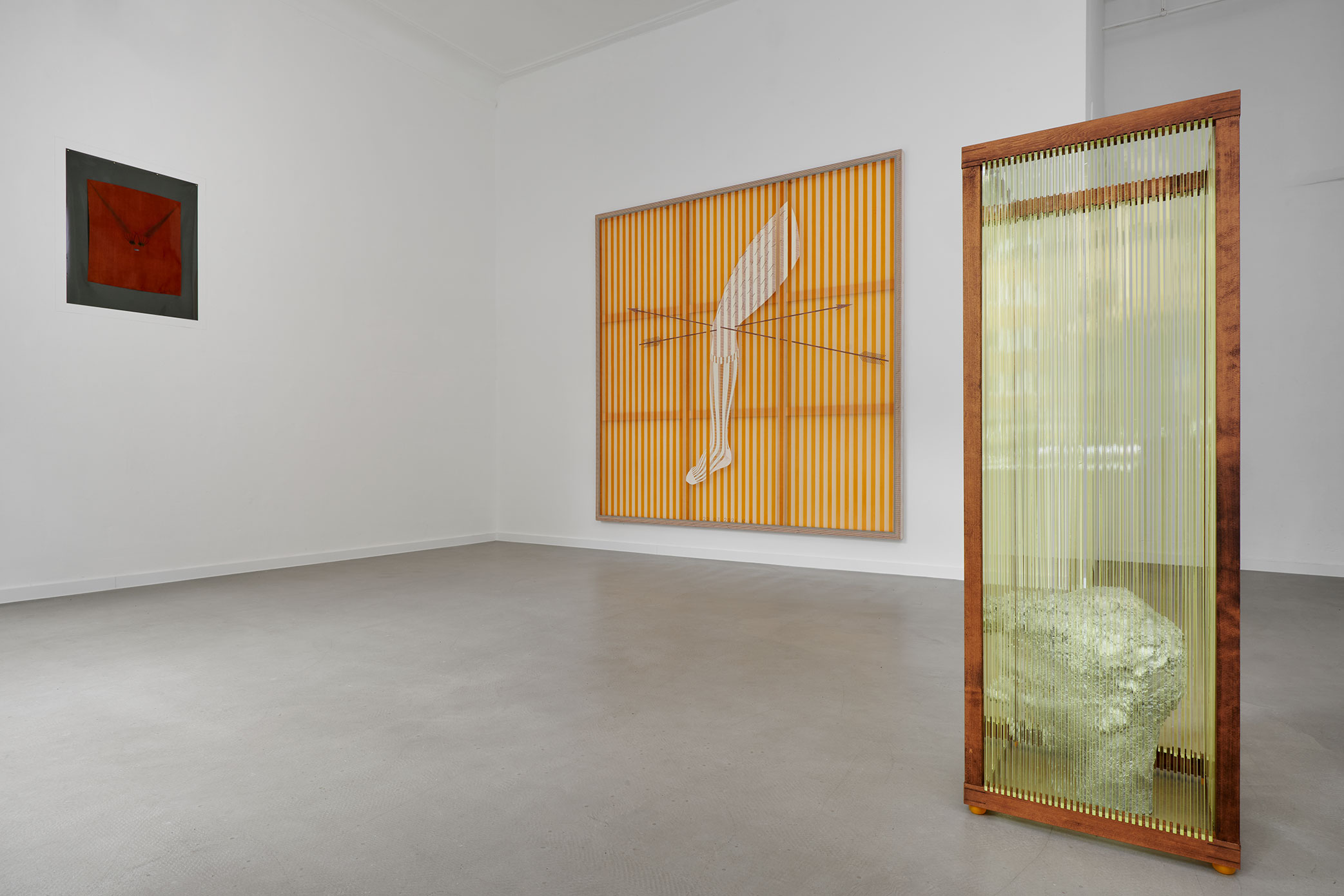
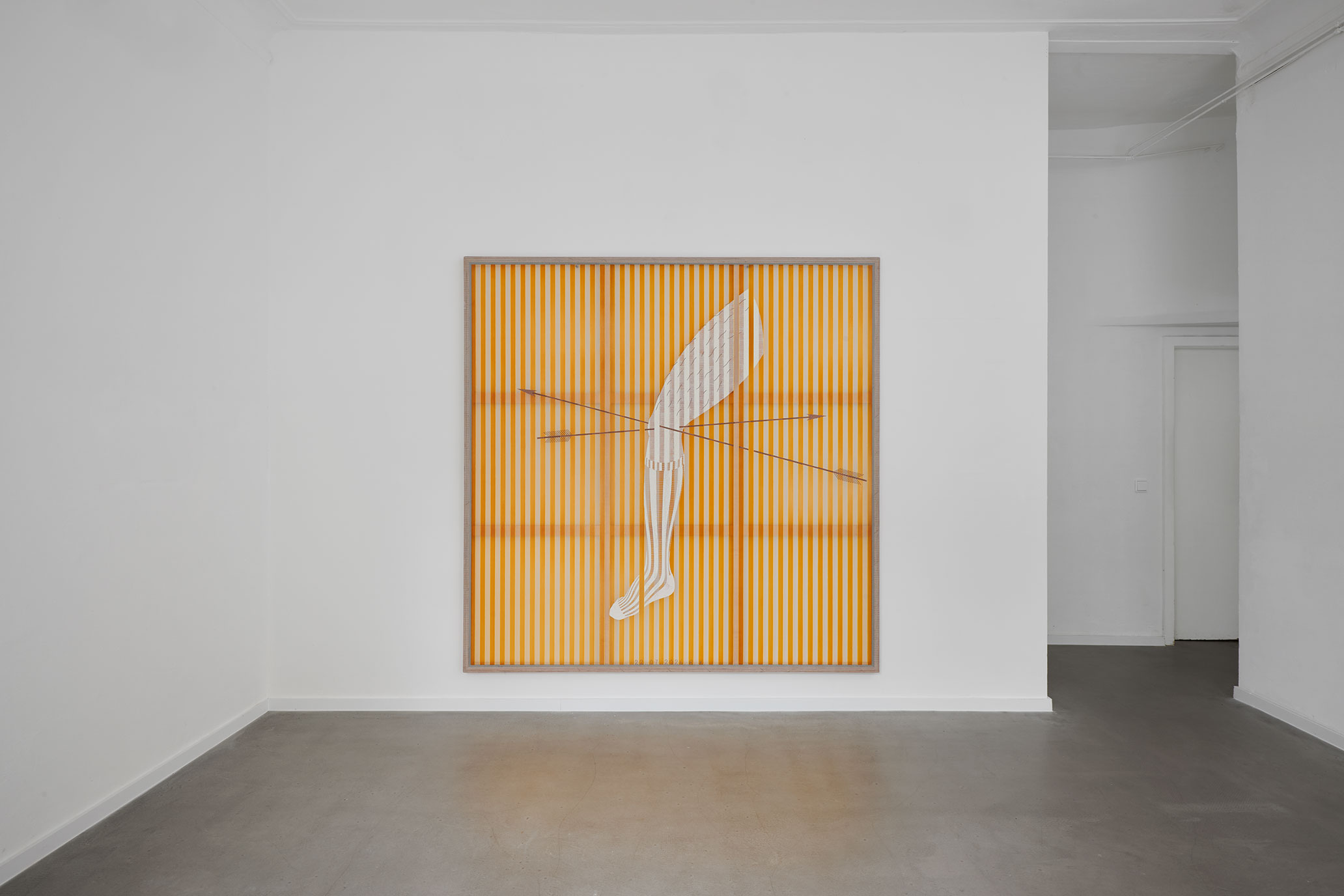
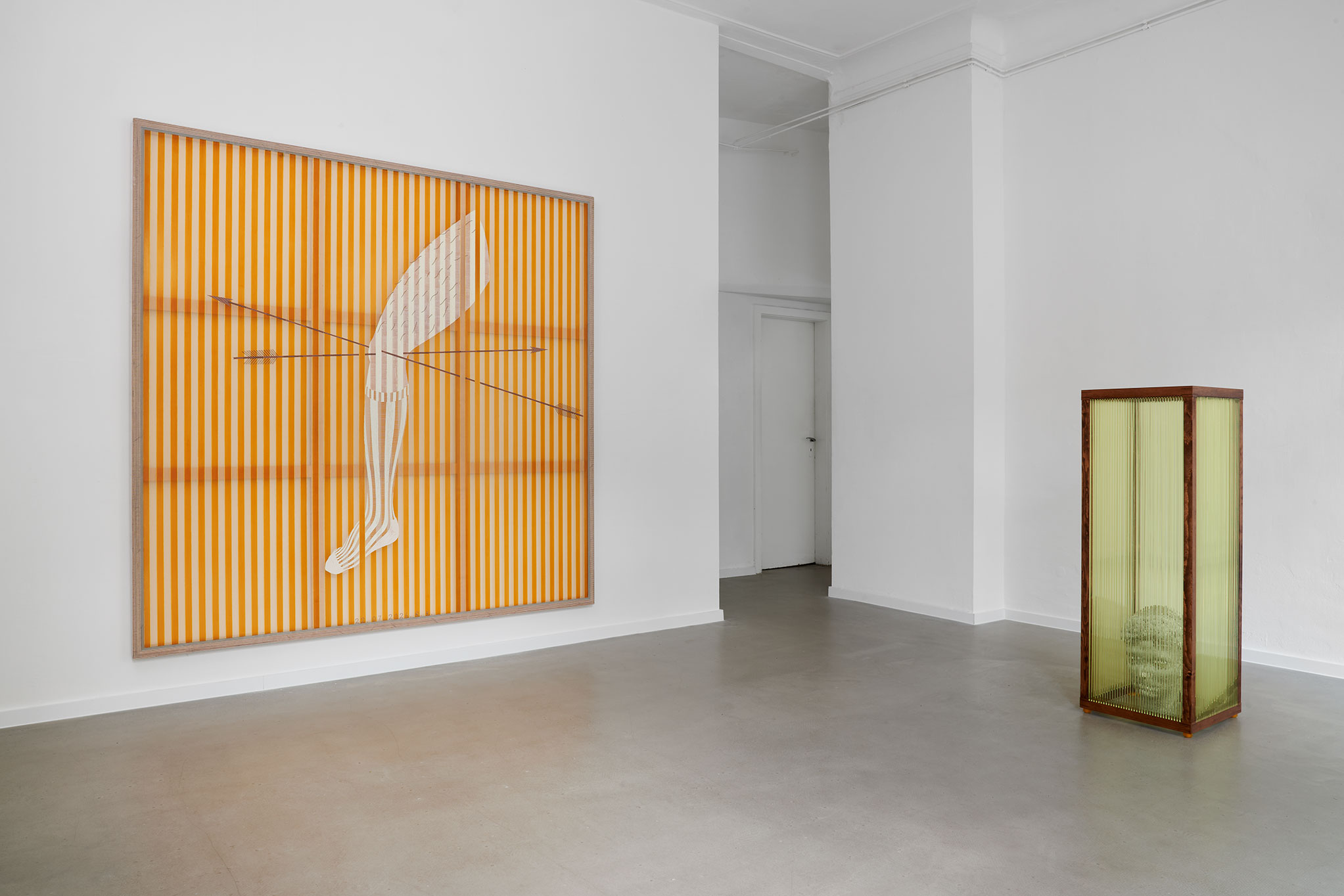
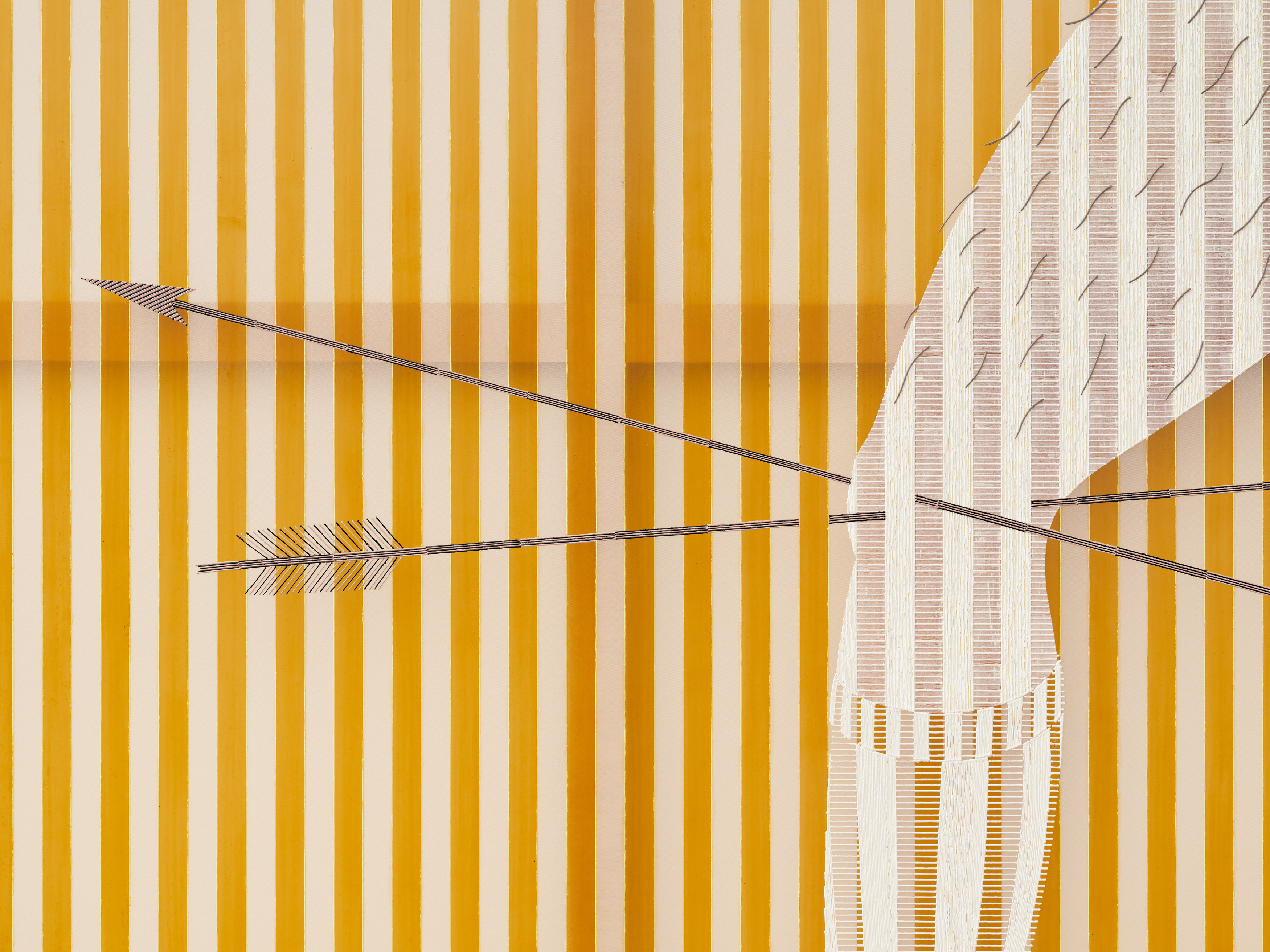
Retired Kneecap, 2026, Oil, gouache, shellac, organza, multiplex board, 210 x 210 cm
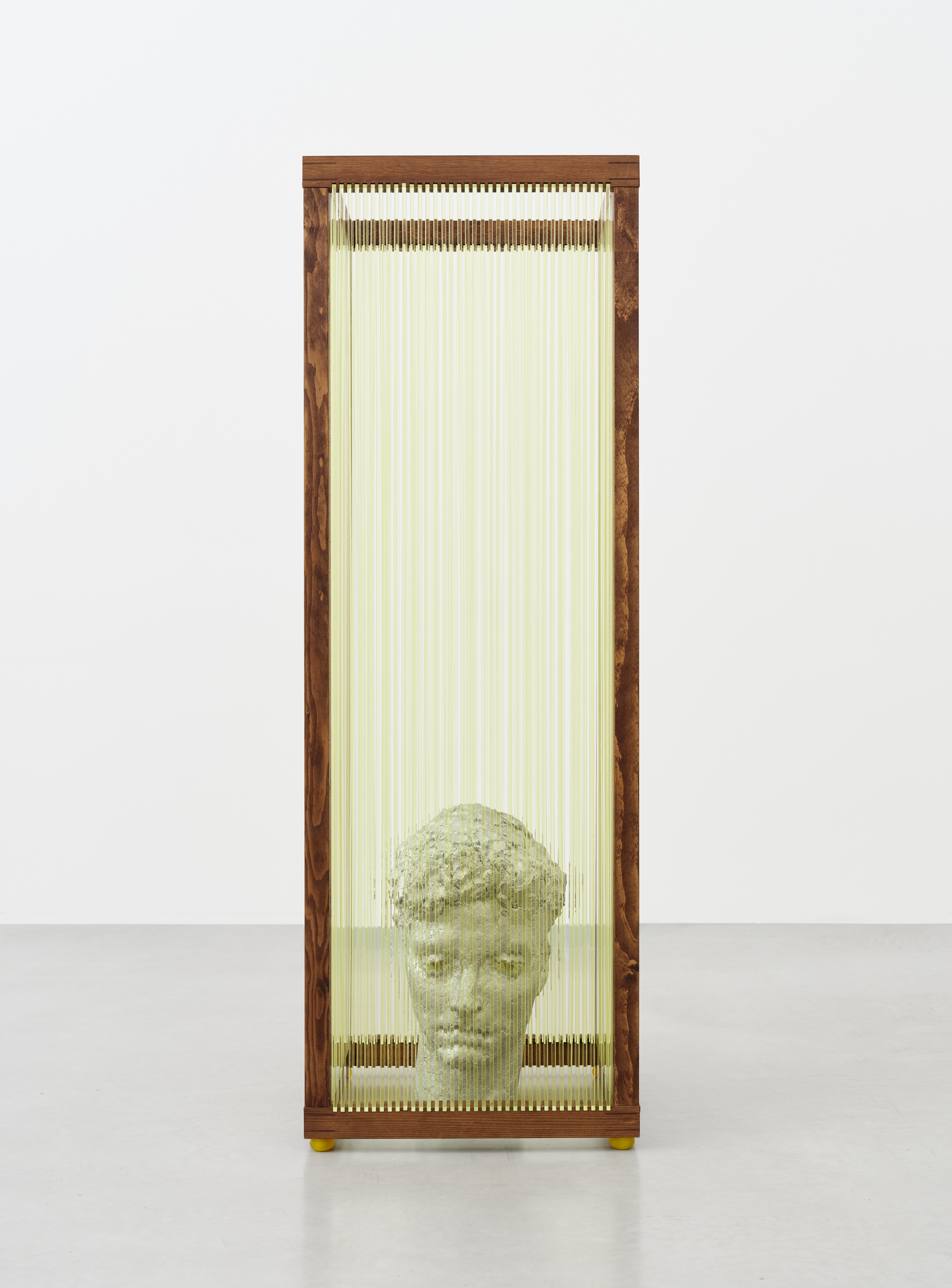
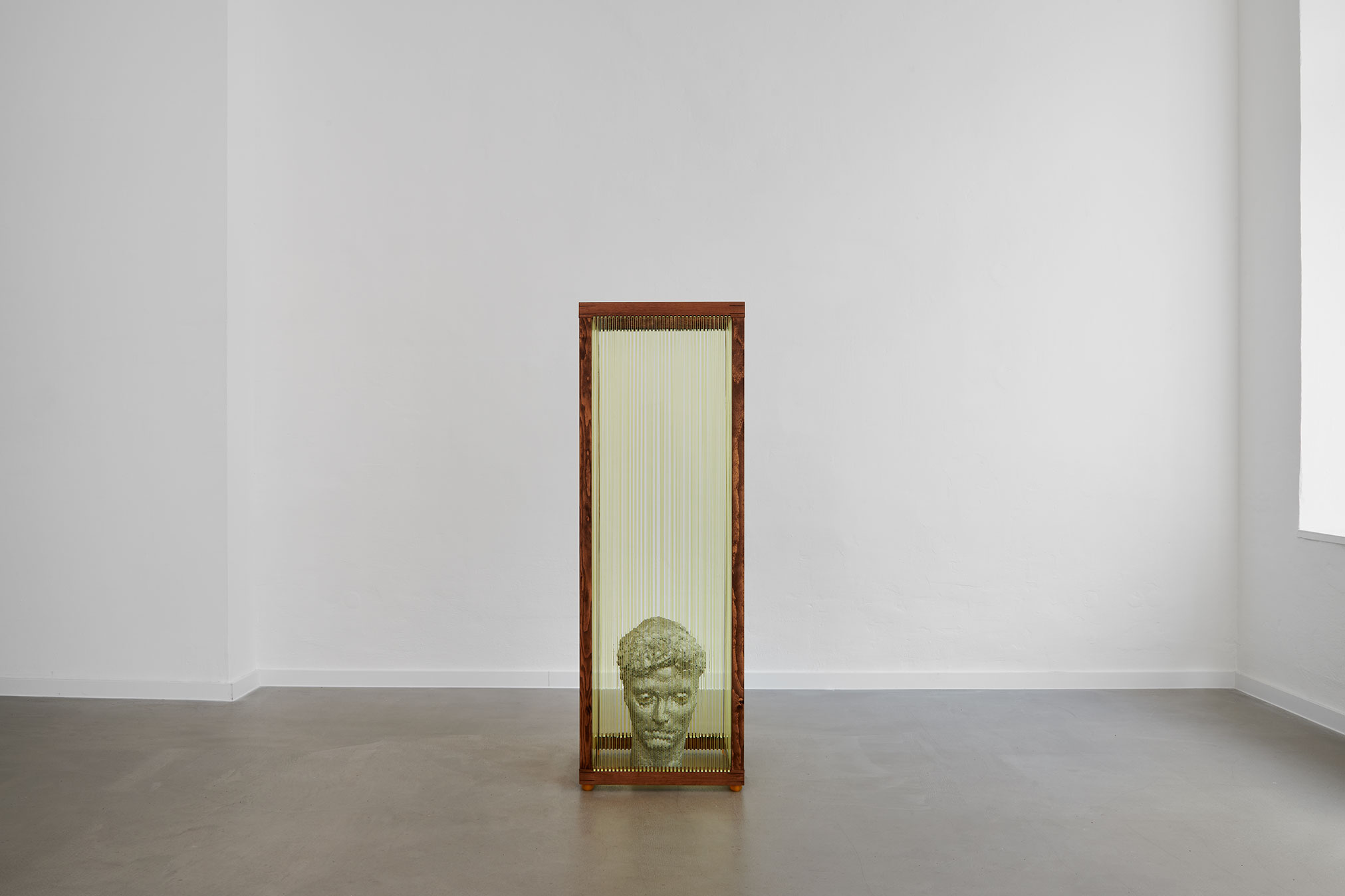
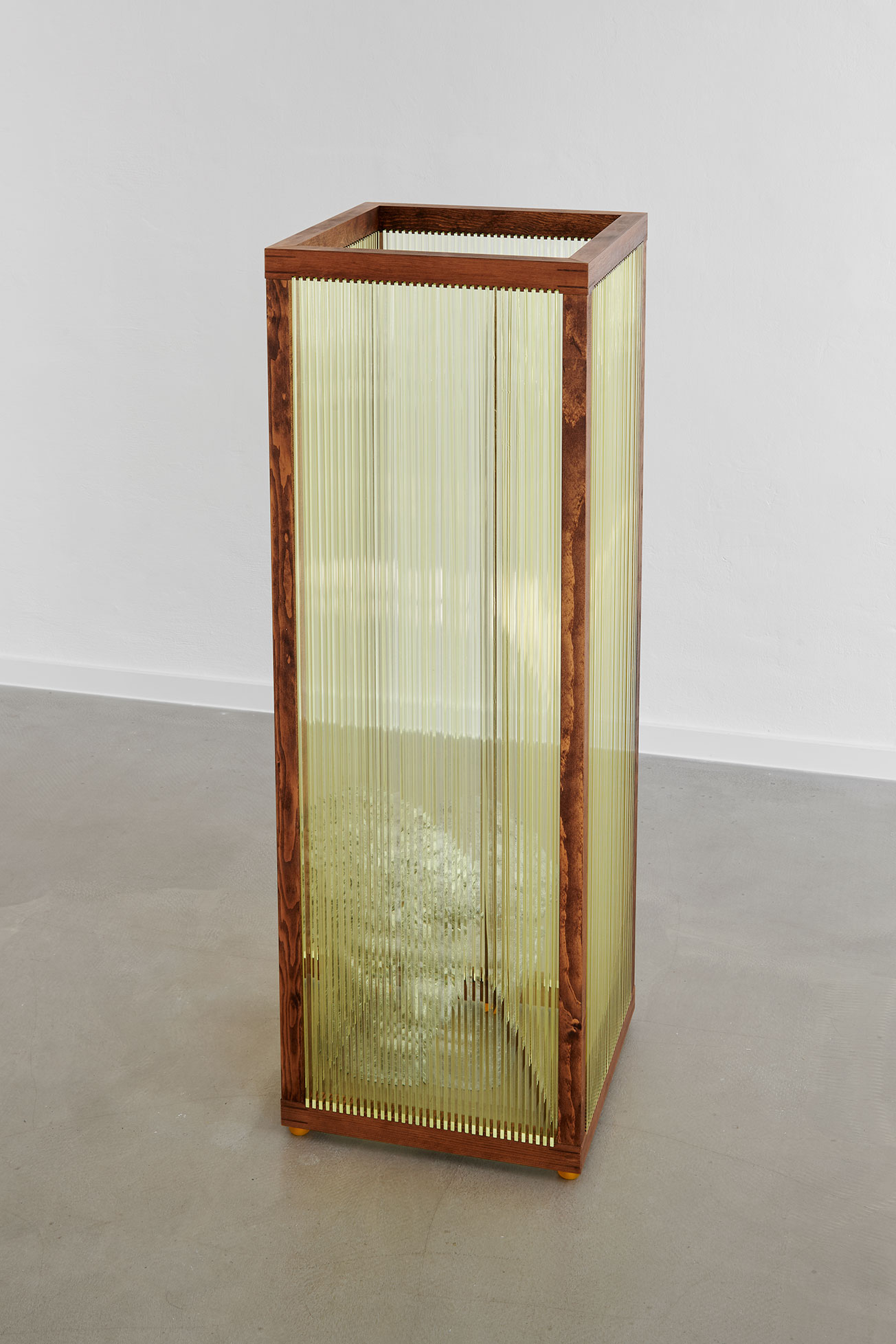
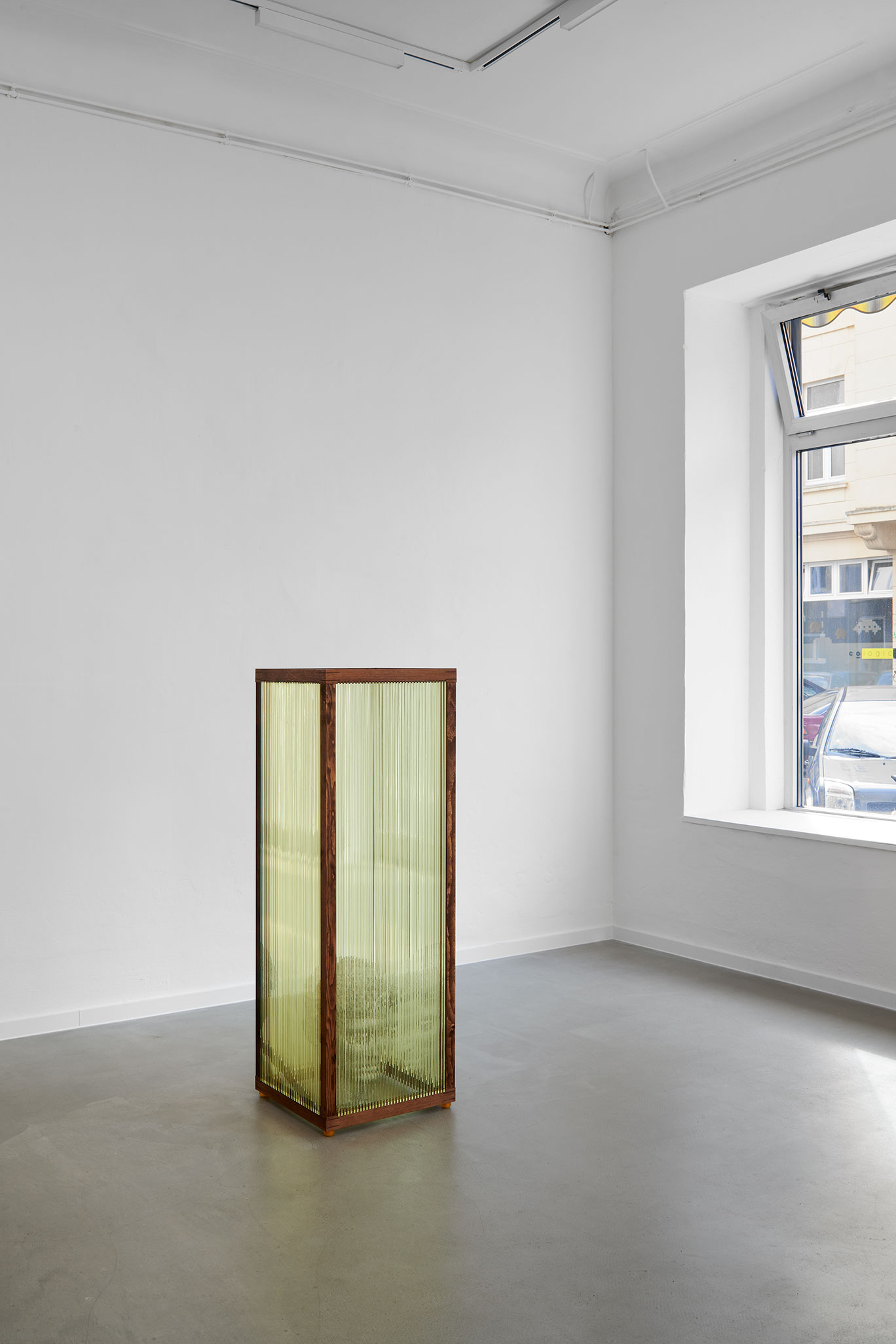
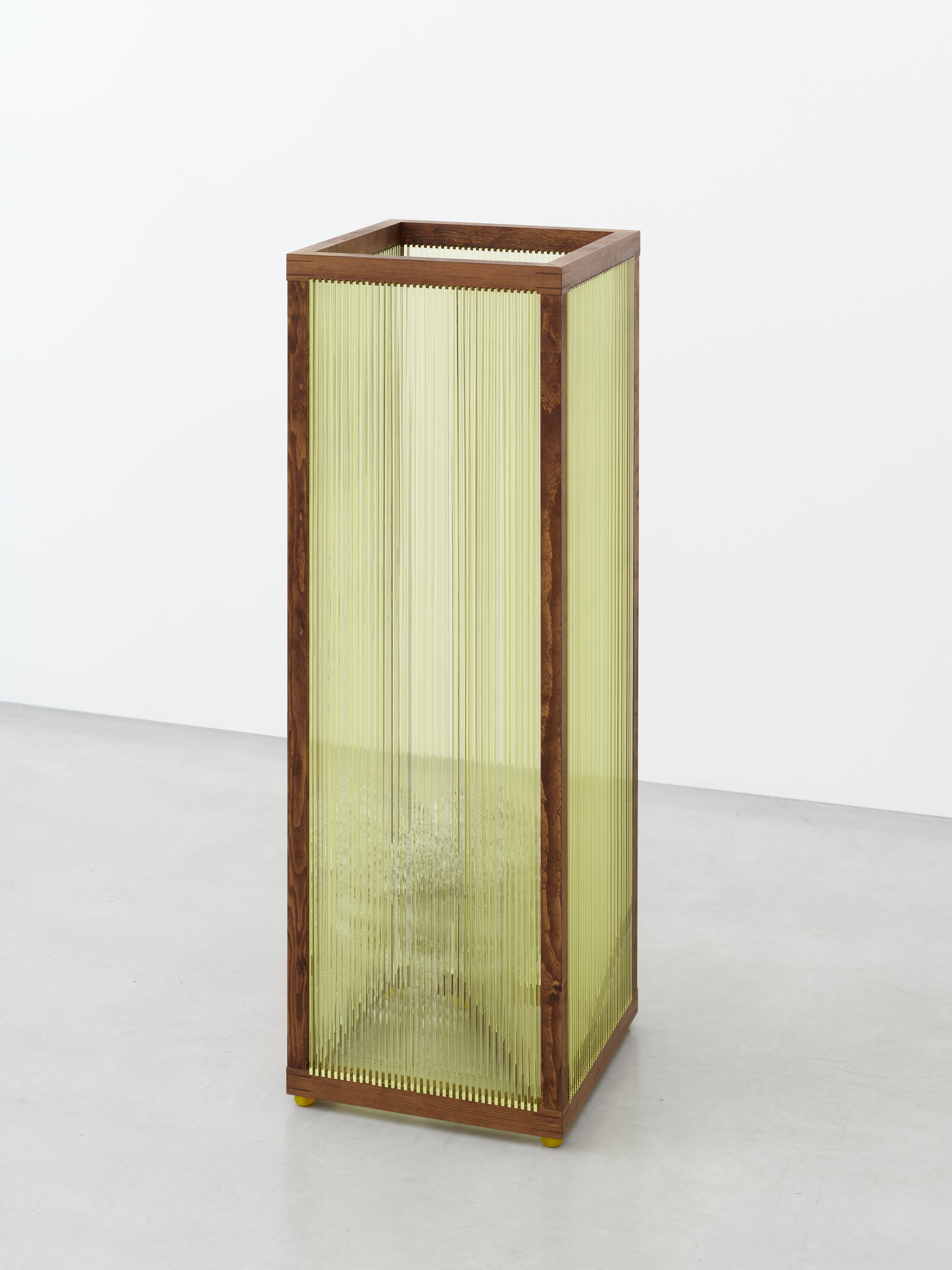
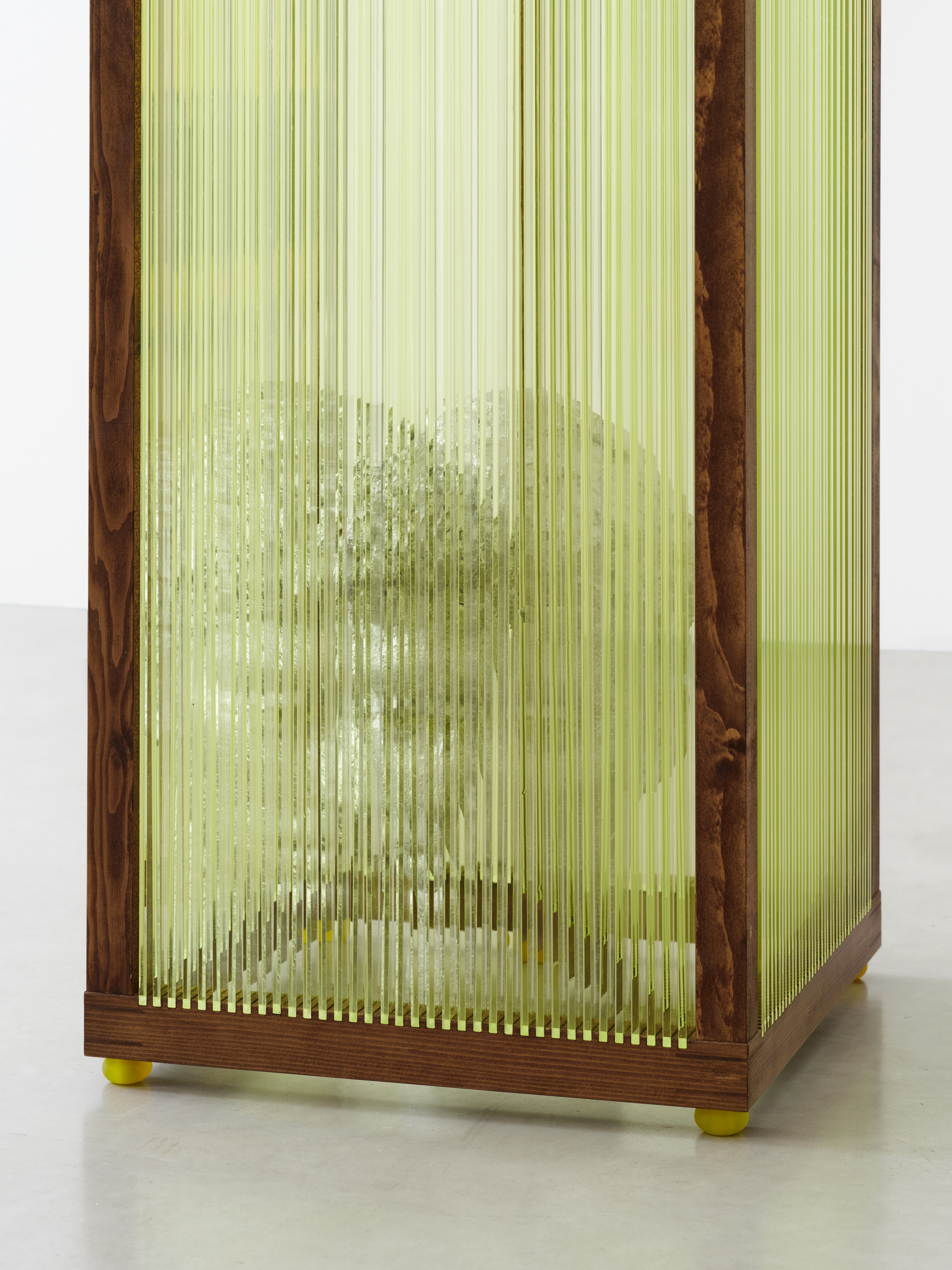
Two Acquaintances, 2016, Aluminium, beeswax, oil, plexiglass, epoxy resin, wood, 42 x 42 x 125 cm
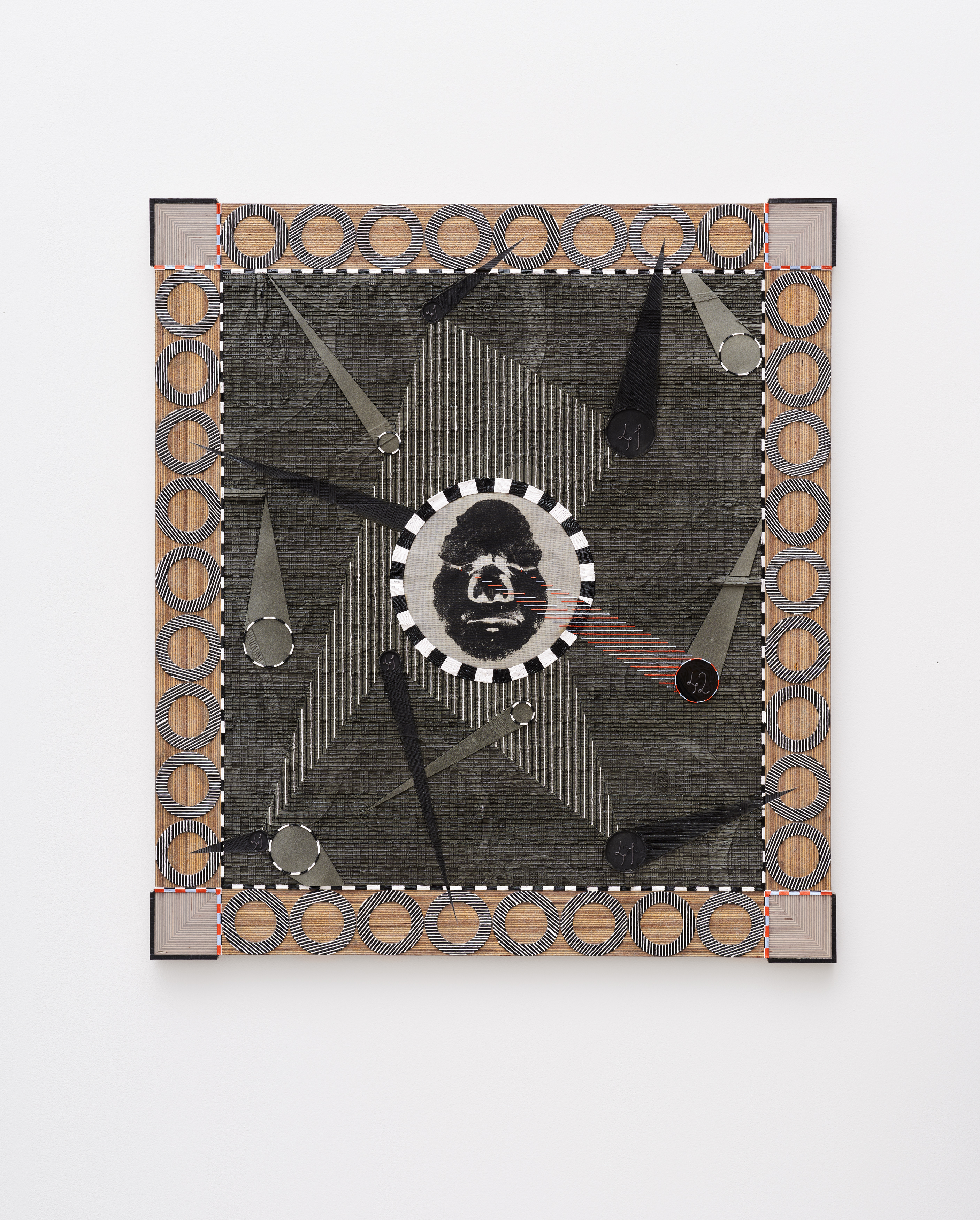
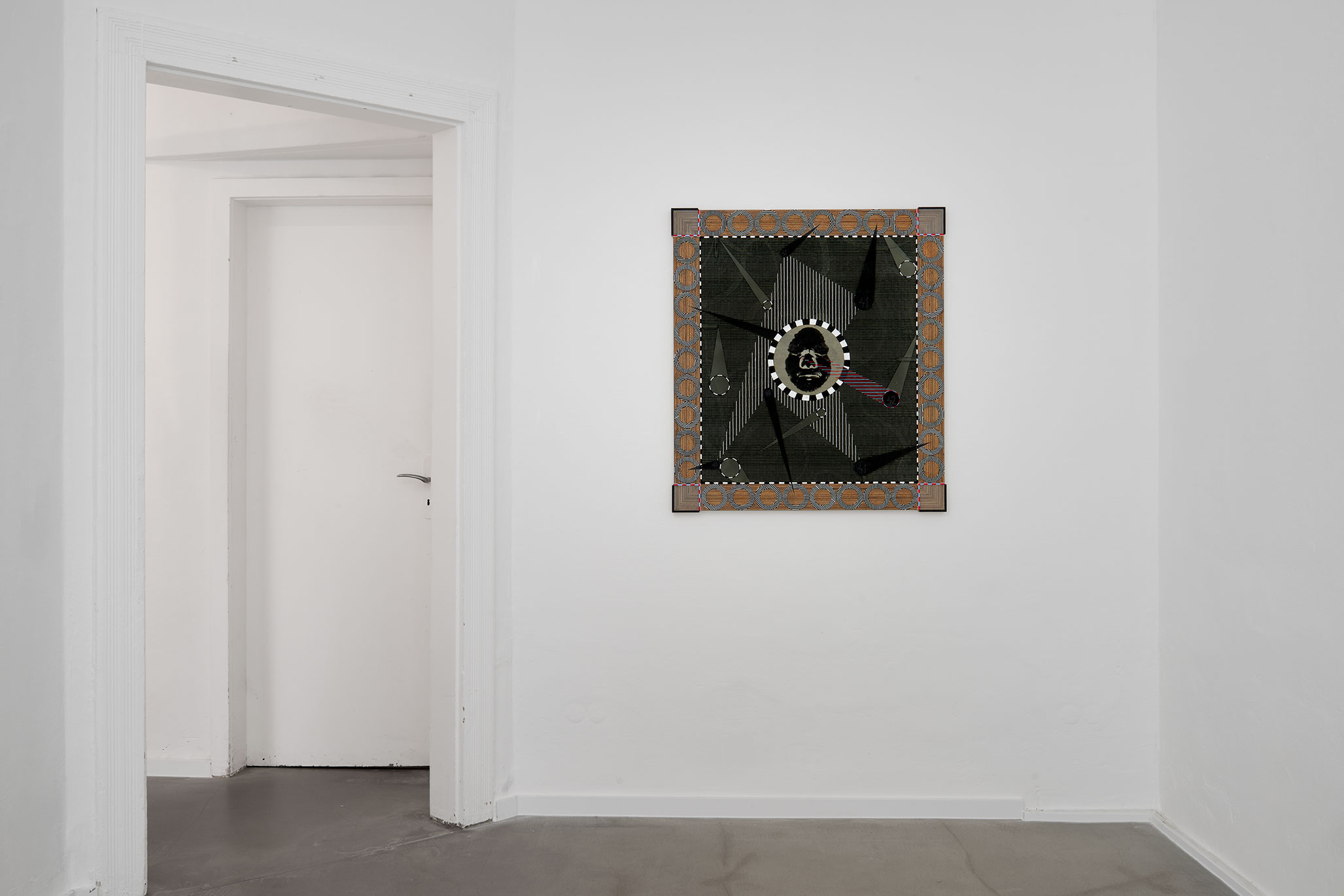
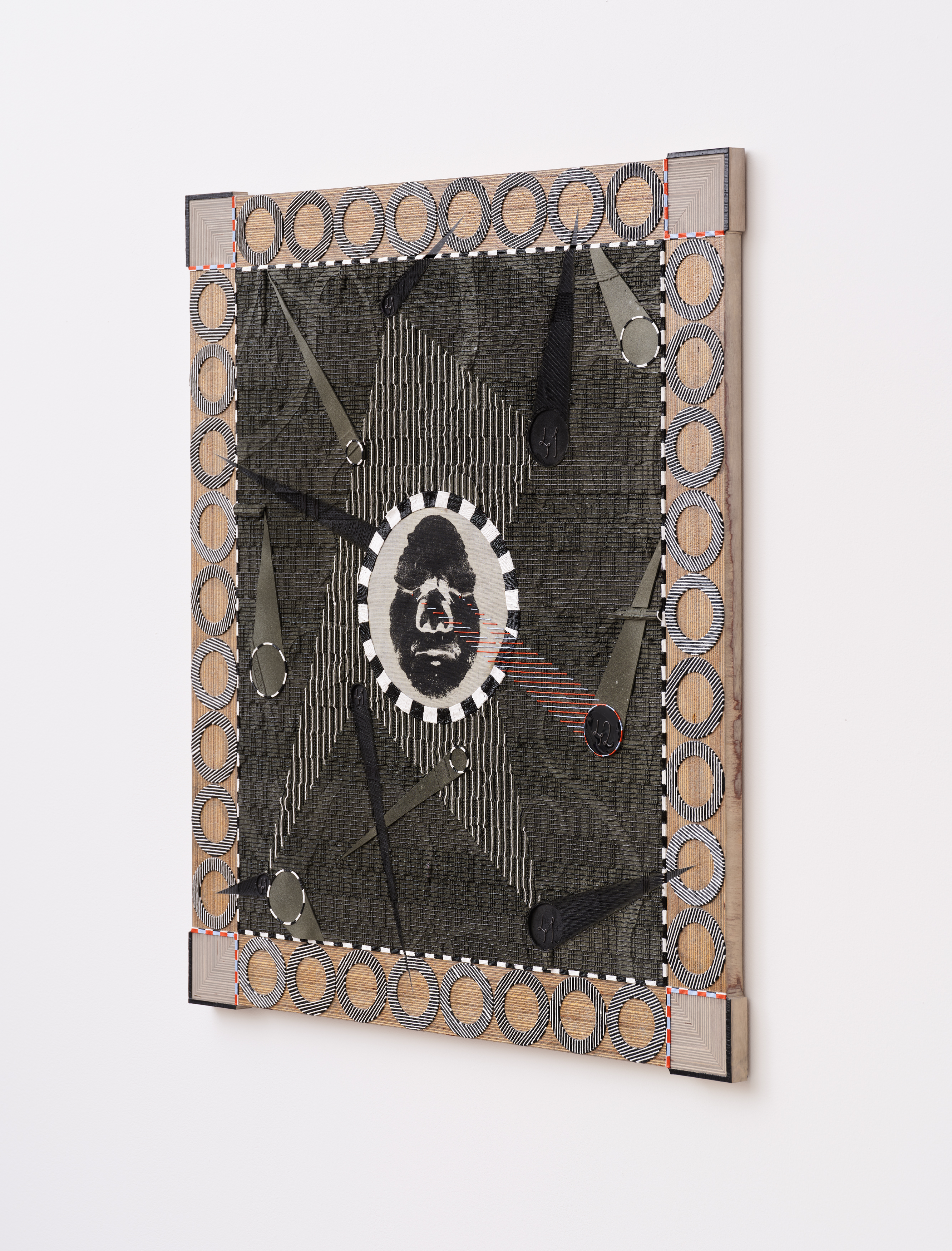
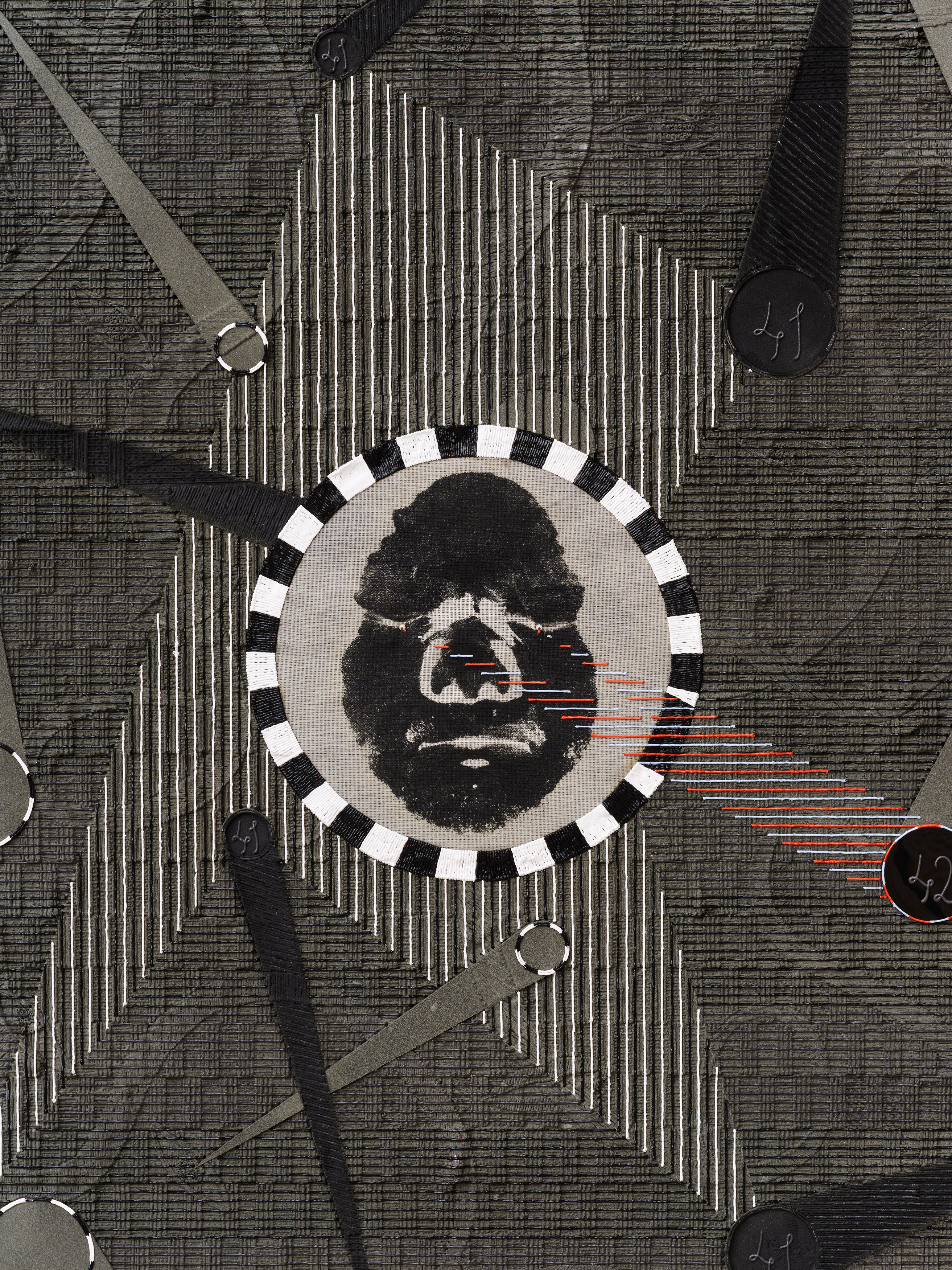
The Constellation That Never Was, 2026, Oil, PVC, bead, spray paint, googly eyes, cotton, multiplex board, 94 x 85 cm
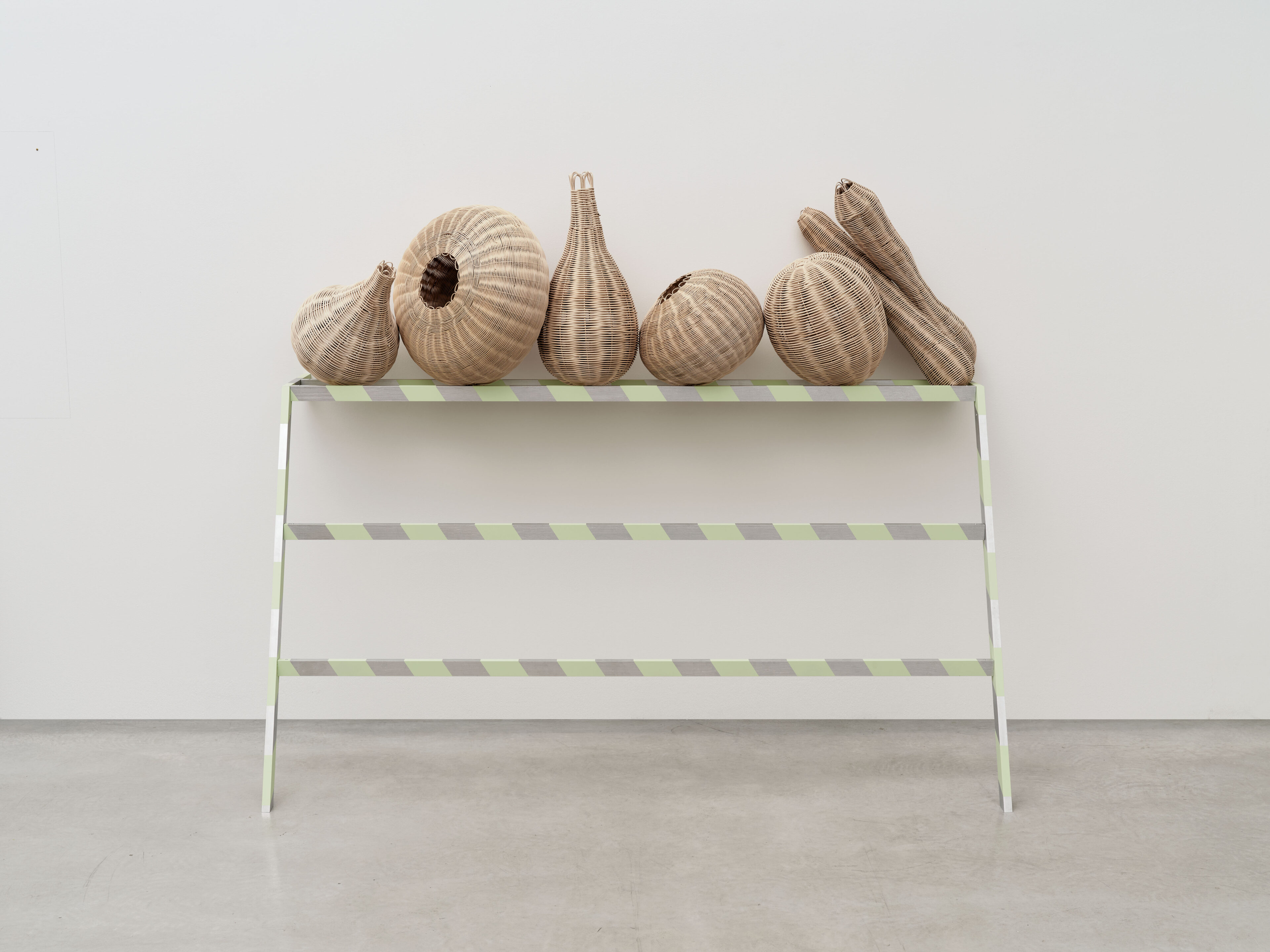
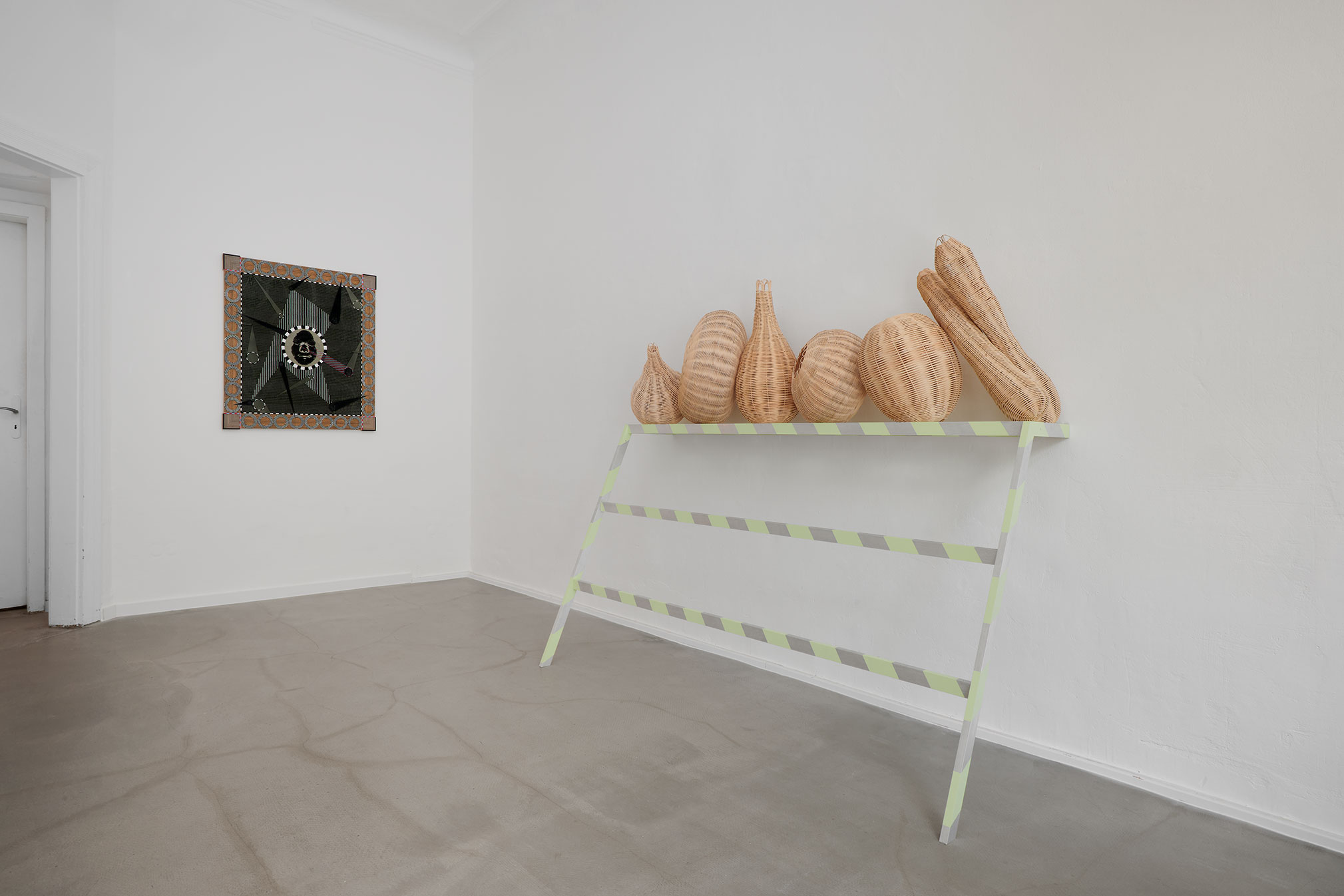
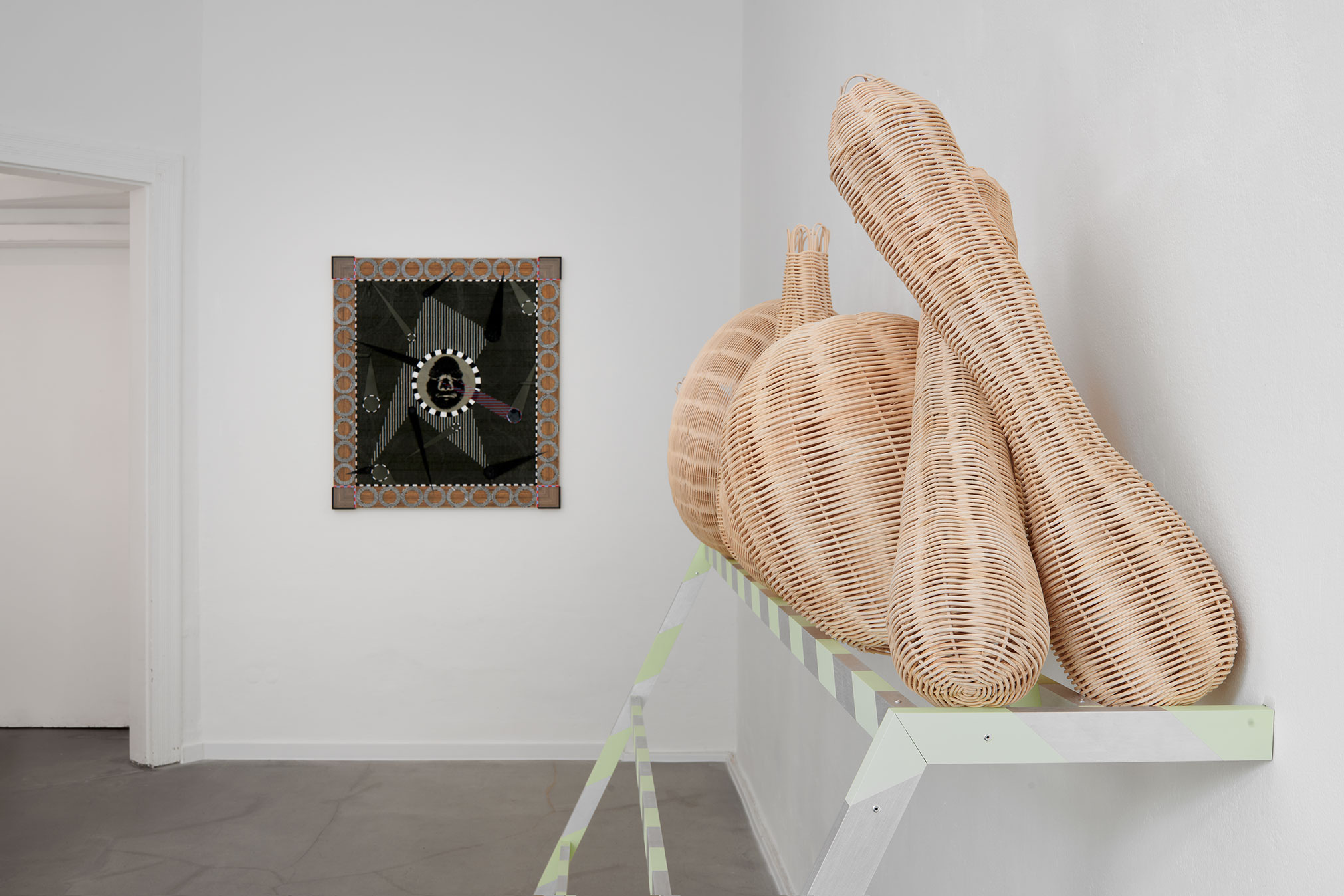
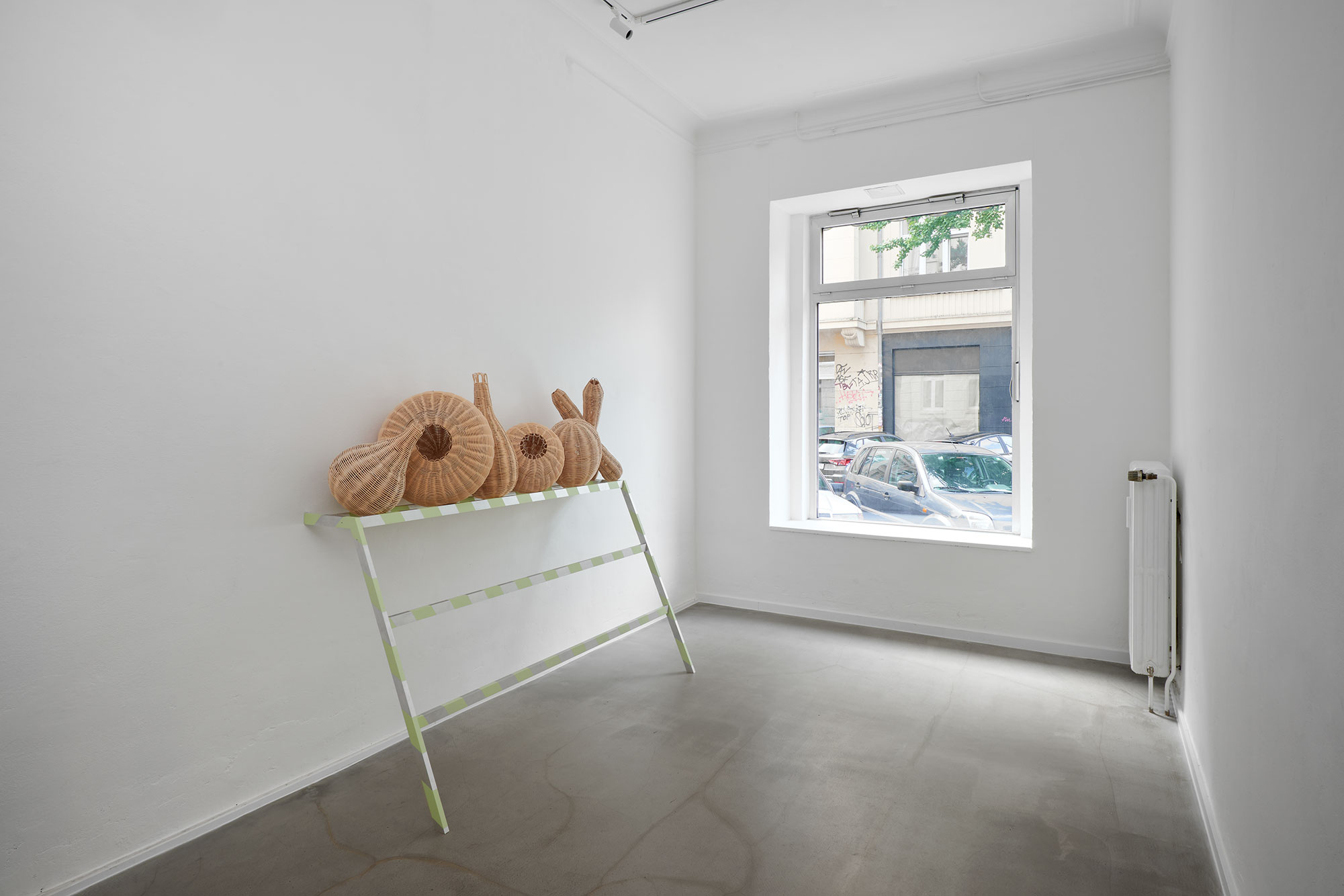
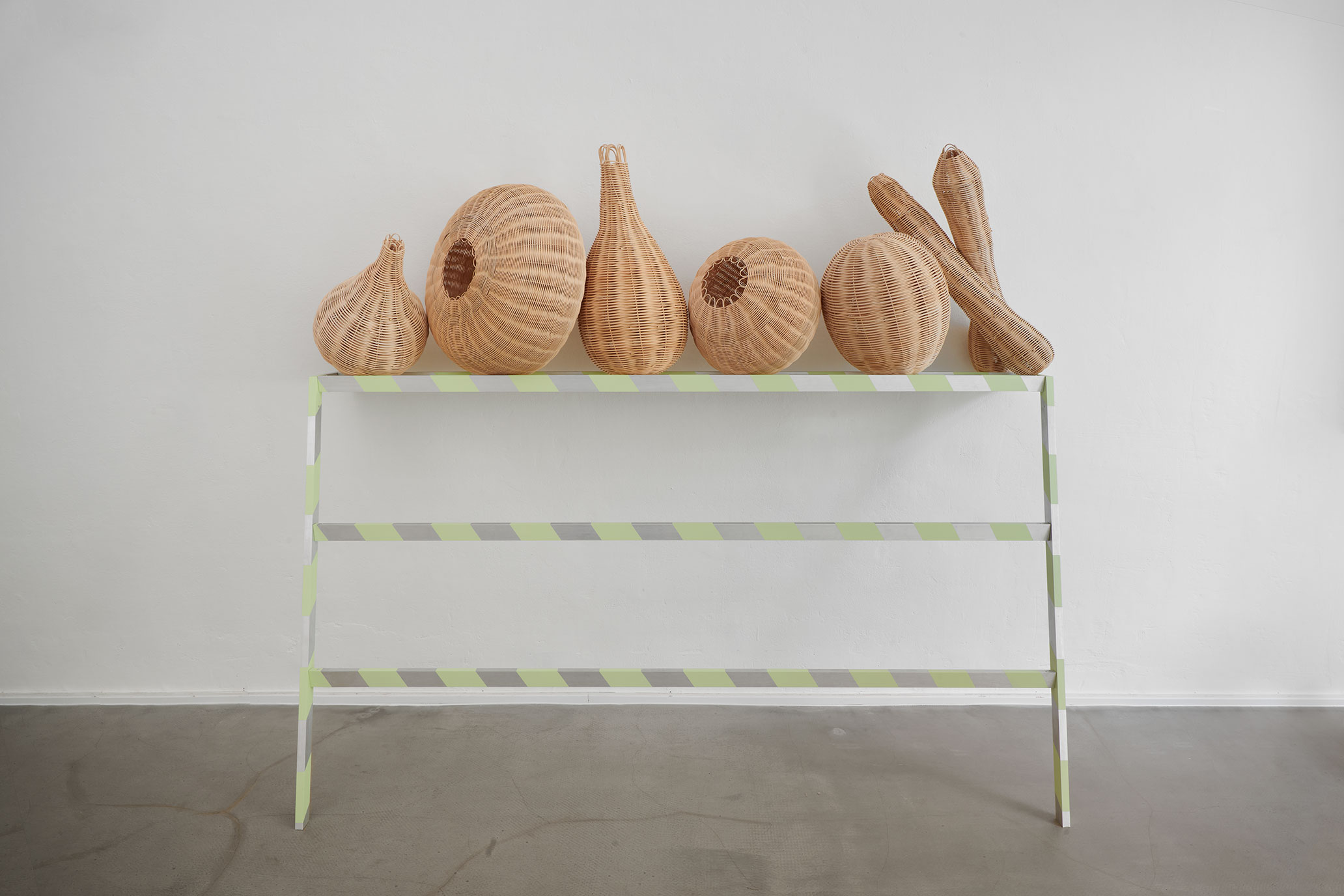
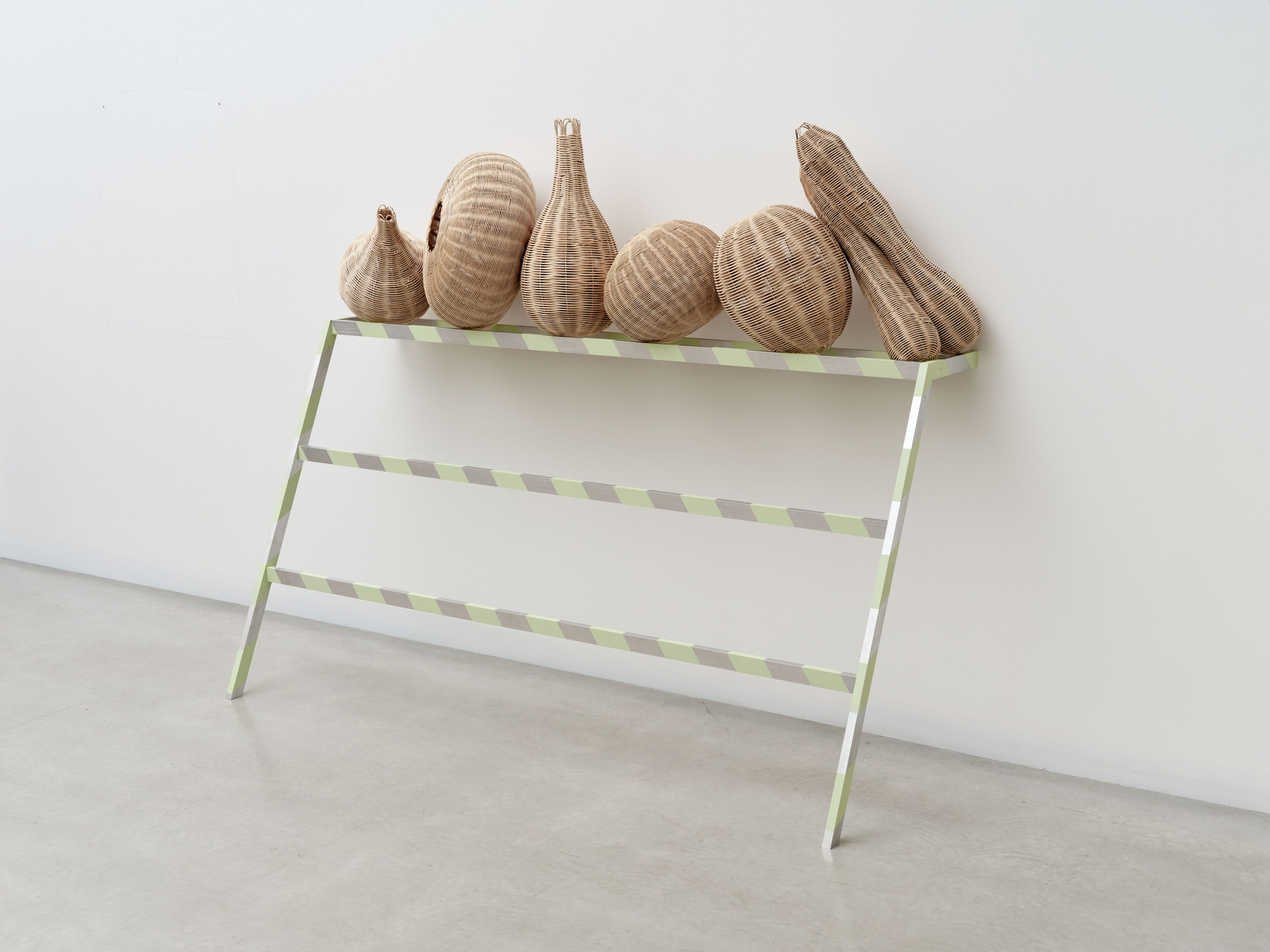
Harvest Stand, 2026, Aluminium, spray paint, rivet, wicker, 184 x 75 x 157 cm
Press Release
In Japanese thought, one concept resonates particularly strongly with Ryo Kinoshita’s painting and sculpture: Ma.
A fundamental principle of Japanese aesthetics and philosophy, Ma refers to an interval, a space or duration that connects rather than separates. This subtle notion permeates the arts, architecture and interpersonal relationships in Japan, embodying an idea of harmony, balance and beauty within apparent emptiness. What separates two elements is also what makes their relation and perception possible. In German, Ma might be approached through the term Zwischenraum, although the Japanese concept encompasses a broader range of meanings. What does this space in between make possible? For Kinoshita, it first suggests a form of stepping back, as reflected in his own situation today, between Japan and Düsseldorf, where he lives. Ma also implies the possibility of creating new connections and configurations. In traditional Japanese architecture, for instance, sliding partitions can alter the configuration of a house and, depending on their position, transform the function of its spaces. Ma opens onto a multiplicity of possible arrangements, like a construction game. It is precisely this space in between that Kinoshita’s work explores, both in the material construction of his works and in the shifting distance between them and the viewer.
Kinoshita came to understand Ma as a broader approach to his practice through his experience with sewing and textiles. In the early 2010s, he began working for a textile company. Observing weaving techniques closely, he became interested in what takes place in the space between threads: an almost imperceptible interval that paradoxically gives matter its density and texture. He subsequently developed a pictorial technique close to the making of fabric, or even of a linen canvas. Using pouches filled with oil paint and fitted with a very fine nozzle, he lays the paint down in “threads” across a grid, intertwining them to form a kind of ground. He then overlays further threads using the same technique, drawing small forms — bodies, animals or geometric figures — which are repeated like textile motifs, with slight variations. These motifs appear, disappear and reconfigure themselves as the eye moves closer to or further away from the canvas. Like a Zen garden, whose lines drawn in gravel invite the eye to slow down and the mind to settle, Kinoshita’s woven paintings form a meticulous network of interlaced threads and motifs in which the eye can lose itself, while also playing the part of an attentive detective.
Whether in his woven paintings or in the other representational techniques he employs, Kinoshita repeatedly returns to the collage of motifs. Like a rebus, it creates unexpected associations through a subtle humor that can be playful, darker or surreal. In Retired Kneecap (2026), a leg pierced by two arrows and wearing a striped sock appears to emerge from the vertical stripes of the painting’s background. Only the difference in color — yellow-orange for the background, white for the leg — allows the two to be distinguished. In a logic of permutation, the leg could just as easily become the background, and vice versa. The painting plays with the appearance and disappearance of forms, like the famous Cheshire Cat in Alice in Wonderland, which appears and disappears until only its smile remains. The collage on paper Where Nascent Light Catches on the Eyelashe (2026) follows a similar logic of surrealist association. Against a broad monochrome orange background, two cut-out eyes — the artist’s own — and a mouth surface. The oversized eyelashes unfold into multicolored rays, like those of a fantastical creature rising from a solar haze. Here too, the elements of the collage reveal themselves while resisting any single, definitive reading.
The phenomenon of appearance and disappearance perhaps finds its most literal expression in the sculpture Two Acquaintances (2026). An aluminum face resting on the floor is enclosed within a small, tower-like architectural structure
whose walls are made of slender yellow acrylic-glass rods set closely together. The work changes perceptibly with the viewer’s distance. The closer one comes, the more the rods blur the face behind them. Its features gradually dissolve until the face becomes almost abstract, as though melting away. The work therefore calls for a certain distance: only from a remove does the face become fully legible.
Like a circle returning to its point of departure, the painting The Constellation that Never Was (2026) seems to gather many of the ideas contained in Ma. At its center is once again the question of distance and perception. Self-portraits are a recurring motif in Kinoshita’s work, serving, logically enough, as points of departure for a larger reflection. Here, an imprint of the artist’s face occupies the center of the picture, surrounded by constellations stretching across a black background that evokes the universe. Yet the proportions are deliberately out of scale. Compared with the constellations, the human head appears immense, while the span of a human life is infinitesimal in relation to the time over which a constellation changes. This discrepancy of scale opens onto a broader question: how does the size of the human body shape our perception of space and time? How small are we in relation to the universe, if the movement of a constellation unfolds at a pace that exceeds the duration of a human life? We may know that these forms are changing, yet remain unable to perceive the change itself. To become attentive to such imperceptible transformations requires another sense of time, one that slows the gaze and makes room for what would otherwise remain unseen.
Sometimes time or distance is indeed necessary to become aware of what one is looking at. In life, too, stepping back can allow us to understand things differently, or to grasp their contours more clearly. But the reverse is also true. Losing oneself in the details, in the meanders of matter and pattern, or in the search for constellations across the vastness of the sky, has its own value. A gaze that lingers can become almost hypnotic, opening onto other states of perception. Beneath the apparent lightness of his humor, Kinoshita’s work is deeply existential and informed by Japanese philosophical thought. It proposes another way of considering time and space, presence and absence, distance and proximity, as well as our relationship to others and to things. Ma precisely describes an interval that both separates and connects, a space in which things can appear, disappear and be recomposed. In this respect, it may resonate with the German concept of Dasein, literally “being-there”, which in Heidegger refers to human existence in relation to itself and to the world in which it finds itself. In Kinoshita’s work, Ma emerges less as an empty space than as a space of relation: an interval in which things, forms and beings can encounter one another, transform themselves and become attentive to their presence in the world.
Oriane Durand